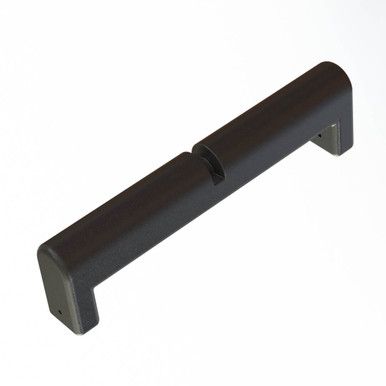
Neck Support for Power Cushion - Medium Density
SKU 2048
$190.00
Sold out
Sold out
Customer reviews
Reviews only from verified customers
No reviews yet. You can buy this product and be the first to leave a review.
Neck Support for Power Cushion - Medium Density
Product Details
Brand: Creatrix Solutions
Shipping: Calculated at Checkout
COMING SOON — available shortly
Neck Support Attachment - Orange Medium Density
Varieties of Posture
Add a neck support to the Power Cushion to help protect the neck while strengthening and conditioning the body.
The neck is often forgotten and undergoes a lot of abuse as we lean forward and look down in our daily lives. We must reverse the damaging effects of these repetitive positions and movements to give our necks and backs the optimal shape and posture they deserve to thrive.
This neck support attachment improves and upgrades the Power Cushion. You can also buy the equipment together in a bundle and save money.
A spinal disc is passive, like a ligament. It does not stretch much and has a passive stabilization, which means it is not strong. The only way to effectively protect the neck is to get the correct shape and posture by exercising and strengthening the muscles. If you don't have the proper spinal curve, the shear reverses and cause the disc to herniate.
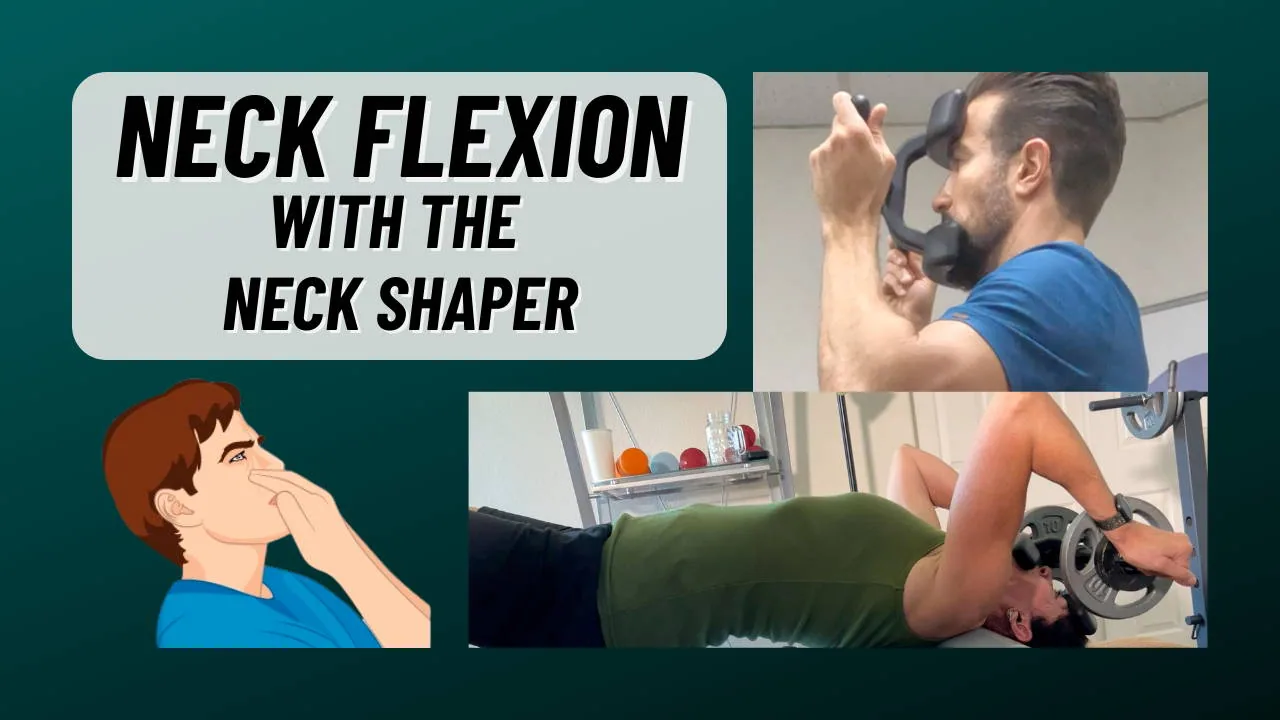
The Neck Shaper helps support the neck in the way that Dr. Scherger talked about positioning the spine as if it has good posture. The same can be done with the neck. This attachment positions the neck, with support, as if it already has good posture. It will help to orthopedically adjust to put the vertebrae back where they belong.
We encourage you to also check out our Neck Strengthening Exercises PDF Guide: Neck Flexion to learn how to do the Neck Flexion. This exercise helps support movement through a range of motion while in an upright position with the goal of developing resistance from horizontal forces against the neck muscles. Dr. Scherger used to have professional football players roll up towels and use them over the top of the power cushion to do the Neck Flexion. Your lower back will develop a curve if you perform this exercise correctly. The exercise can be done with your bare hands or the Neck Shaper (recommended). You can grip the Neck Shaper with the bar attachment to maintain ideal body symmetry and prevent any uneven application resistance.
Click here to check out the soft blue density of the Neck Support Attachment.
The orange medium support in the Power Cushion system
This neck support attaches to the Power Cushion to keep the cervical curve supported while the anterior core works — the head held in its proper relationship to the spine instead of hanging unsupported through every repetition. This one is orange, and orange is the medium density.
Color is how you pick. The Power Cushion is made in two densities and each carries its own color: blue is soft, orange is medium. The supports follow the same rule, so this orange support belongs with the orange medium cushion, and the blue support belongs with the blue soft one.
Medium is the firmer of the two. A firmer fulcrum creates greater curvature demand and therefore greater intensity at the same body weight, which is why density works as an intensity lever separate from repetitions — useful when you are ready for a deeper curve before you are ready for more reps. Choose orange once a supported curve is comfortable and you want a firmer one. Choose blue for a spine that is stiff, painful, injured, or highly guarded — the rule for this system is to start softer and earn the progression: time tolerance first, then diameter, then density.
This support is the orange medium tier. It attaches to any Power Cushion; the tier that matches it is the orange medium Power Cushion; the blue soft Power Cushion is the gentler starting point.
My experience
Supporting the neck during core work is not a luxury — an unsupported cervical curve under load is how good exercises acquire bad reputations. I match the support’s density to the user the same way I match their lying rolls: comfort first, firmness as the practice matures.
Frequently asked questions
Which density should I choose?
Match your Neck Shaper roll density as a starting rule — the neck that likes Medium lying usually likes Medium support under load.
Does it fit every Power Cushion?
The neck support attaches to any Power Cushion, whichever density you own. Its own density is a separate choice from the cushion’s.
About self-skinning foam: Each roller is molded with a durable self-skinning surface. Slight color variation, faint lines, small surface imperfections, and tiny bubbles are natural characteristics of the self-skinning foam manufacturing process — they are cosmetic, unique to each piece, and do not affect performance or durability.
Sales policy: Foam rollers are sold as-is and are non-returnable for hygiene reasons.
Sales policy: Foam rollers are sold as-is and are non-returnable for hygiene reasons.
Medical disclaimer: Creatrix Solutions exercise products are not intended to diagnose, treat, cure, or prevent any disease or medical condition. Consult a qualified healthcare provider before beginning a new exercise routine, especially if you have an injury or medical condition.