The story behind the Spinal Fitness guides
Built From Dr. John S. Scherger’s Research, Mathematics & Training Methods
These exercise guides condense the biomechanics, training methods, and practical teaching developed by the late Dr. John S. Scherger. His work focused on how the shape of the spine influences strength, endurance, mobility, joint loading, and athletic performance.
Beginning in the mid-1980s, Dr. Scherger worked with athletic trainers, Olympic sports medicine professionals, and strength coaches to study why athletes with deeper, healthier spinal curves often moved with greater power and less fatigue.
He observed that repeated trauma, training volume, sitting, travel, impact, and fatigue could flatten spinal curves over time. As the curves changed, athletes often became stiffer, tighter, less efficient, and more vulnerable to injury.
The resulting Spinal Fitness system combines passive curve support, segmental mobility, corrective strength, and posture maintenance.
From training room to home program
Why the Guides Pair With Specific Spinal Fitness Equipment
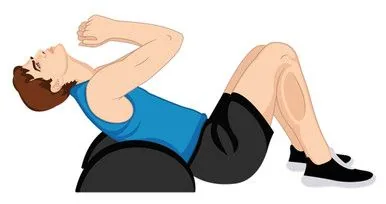
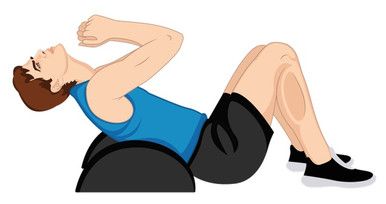
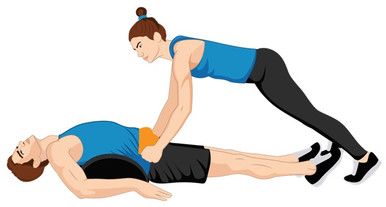
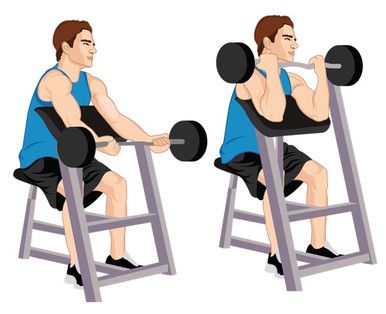
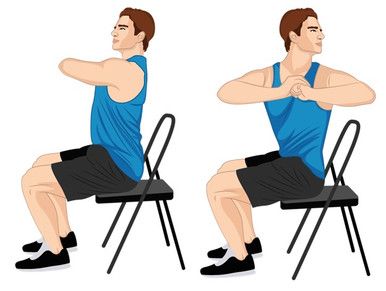
The exercises were not designed as generic floor movements. Each one uses a specific fulcrum, groove, resistance direction, or supported position to protect spinal curvature while training.
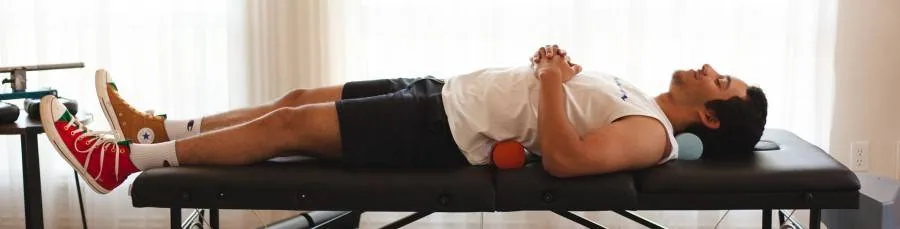
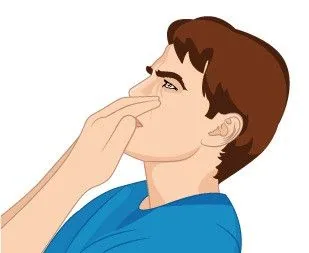
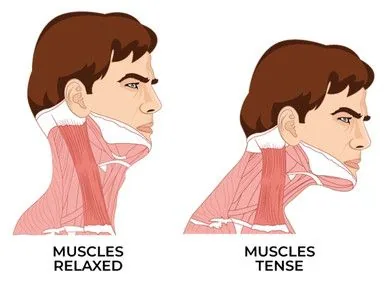
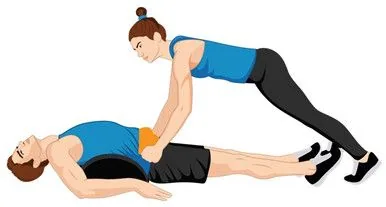
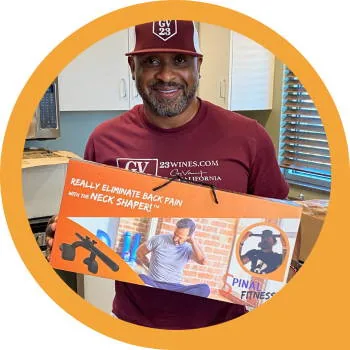
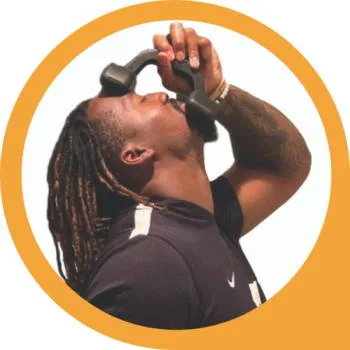
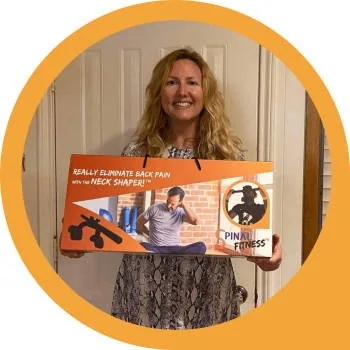
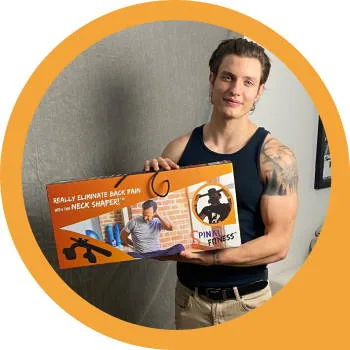
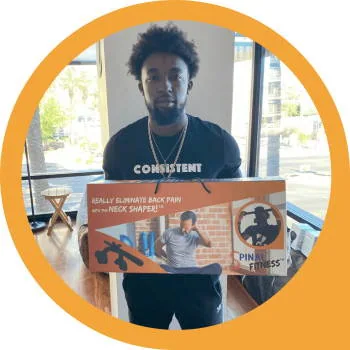
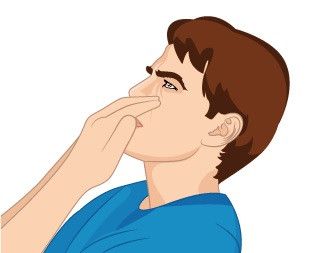
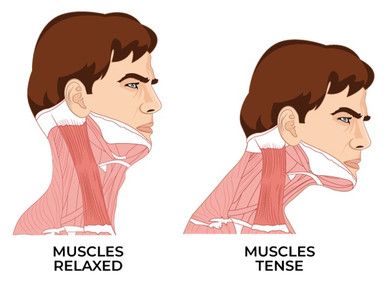
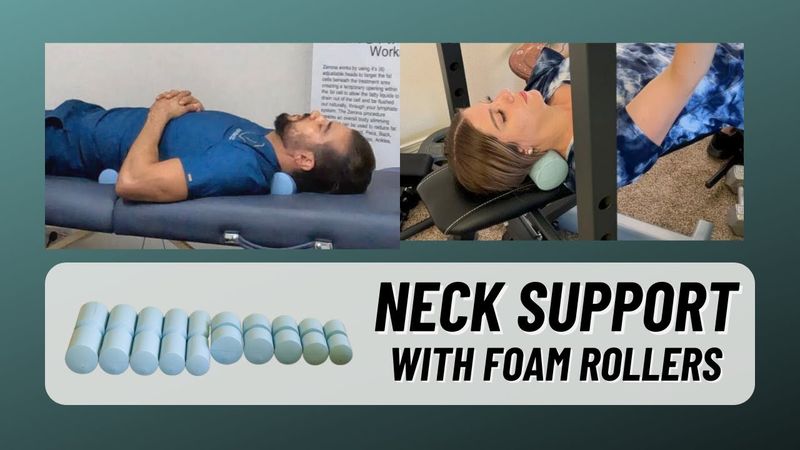
The Power Cushion supports the lumbar curve during pelvic tilts and proper sit-ups. The Neck Shaper applies controlled resistance for Neck Flexion. Back Trac supports spinal mobility, and the Neck and Back Shaper rollers provide passive cervical and lumbar curve support.
The guides explain how to use those tools correctly so the exercise strengthens improved posture rather than reinforcing a flattened or collapsed spine.
Printed Instructions Are Included With Qualifying Equipment Purchases
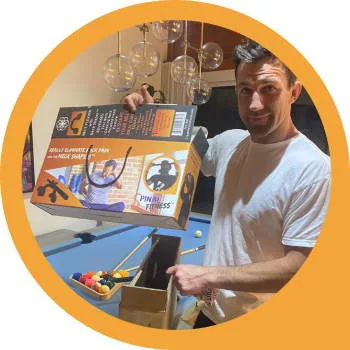
When qualifying Spinal Fitness equipment is purchased, a printed copy of the applicable exercise guide is included in the shipment. The individual PDF products remain available for customers who want a digital copy, already own the equipment, or need a replacement guide.