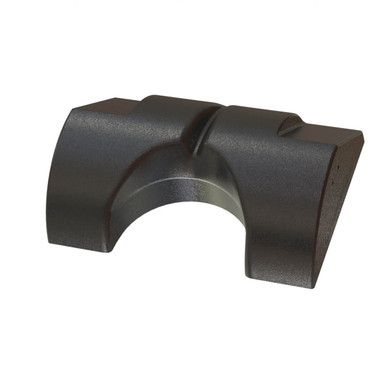
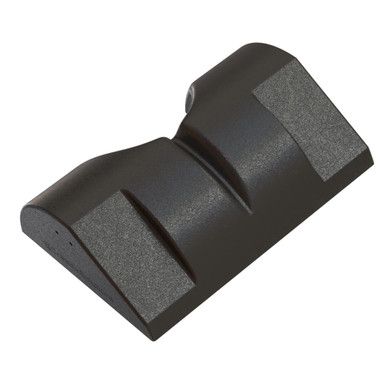
Fulcrum
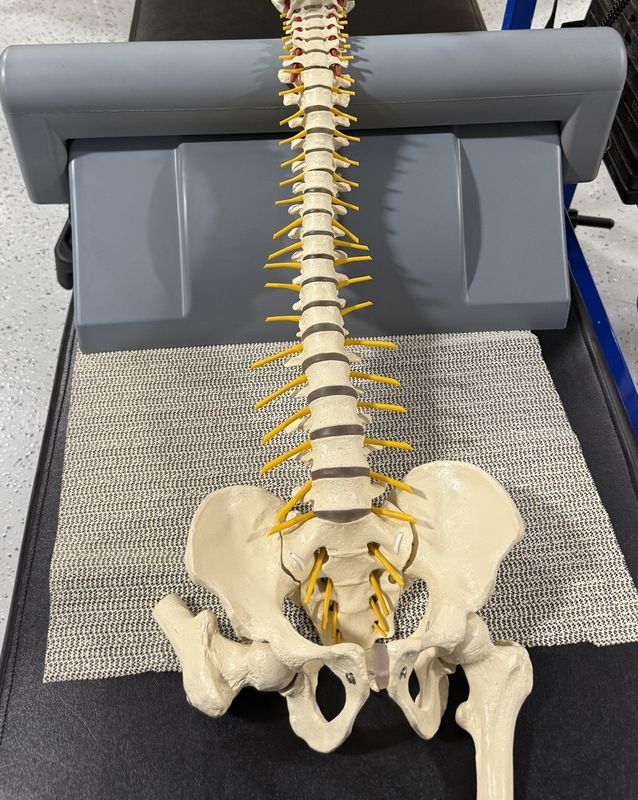
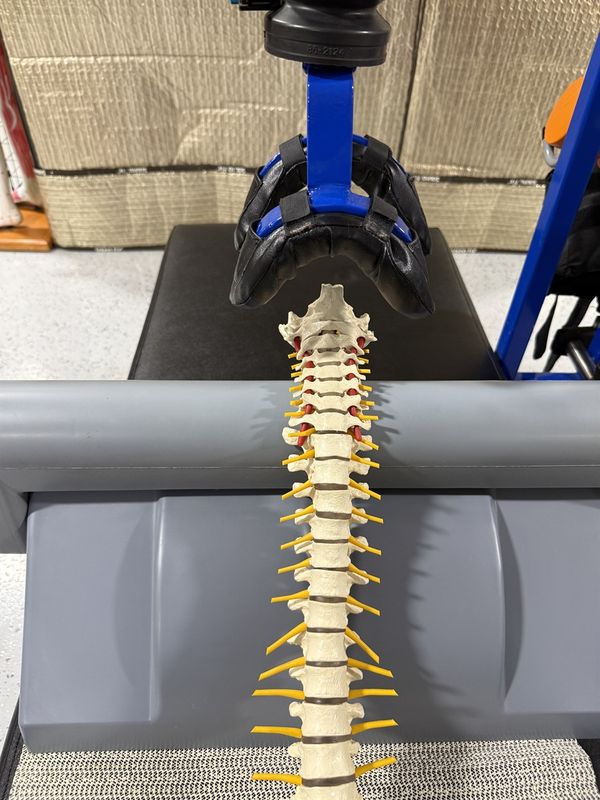
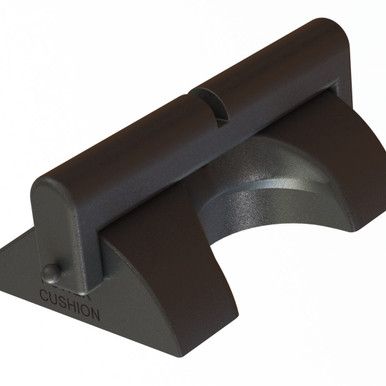
The cushion becomes a pivot point beneath the lumbar curve, changing where the trunk rotates during movement.
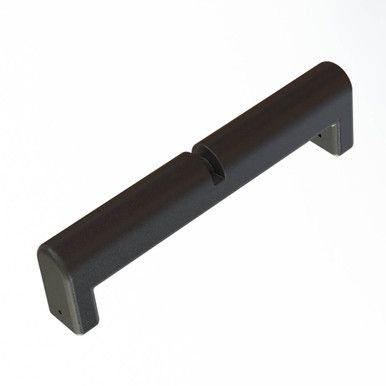
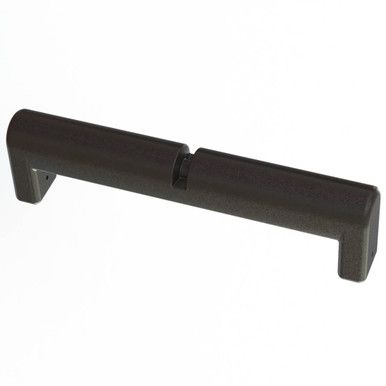
Discover the upcoming Power Cushion, designed to support posture training, exercise positioning, and the step-by-step Spinal Fitness approach to improving alignment. Inspired in part by earlier work with Dr. Scherger, the Power Cushion continues the development of tools intended to support the natural curves of the spine and improve body positioning during exercise.
Curated by Eileen Durfee, NBS, NASM-CPT, Inventor, Author, and Nationally Certified Spinal Fitness Specialist, Creatrix Solutions has shipped 11,000+ orders and focuses on practical wellness innovation.
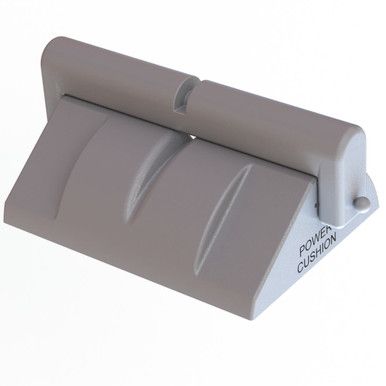
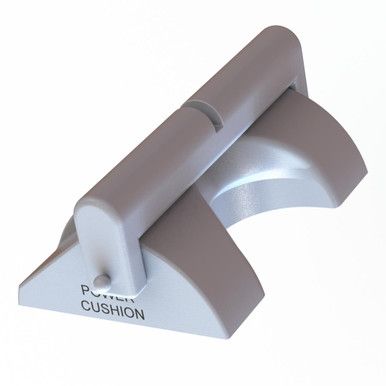
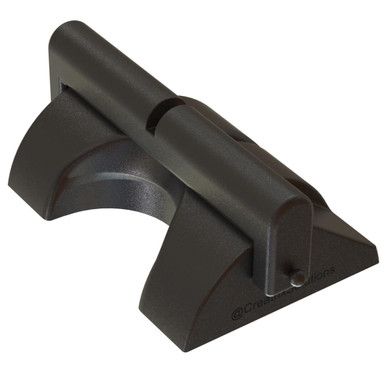
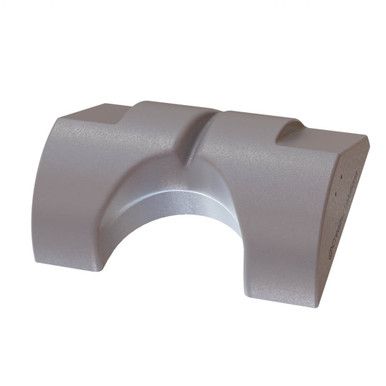
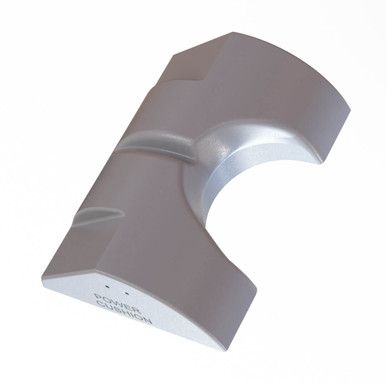
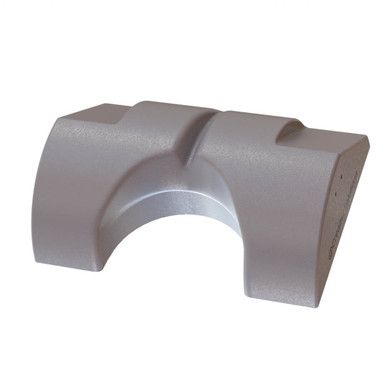
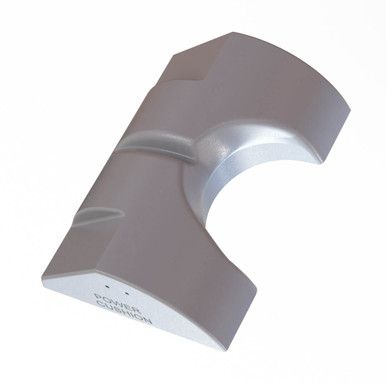
The Power Cushion is a spinal-training fulcrum designed to preserve the natural lumbar curve during pelvic tilts, supported sit-ups, dead bugs, toe taps, frog pumps, and leg raises. Instead of flattening the low back into the floor, the cushion supports the curve so the abdominal wall can work from a more favorable mechanical position.
In physics, the effect of a force depends on where that force acts relative to a pivot point. Changing the fulcrum changes the effective lever arm, the direction of force, and the muscular effort required to control the movement.
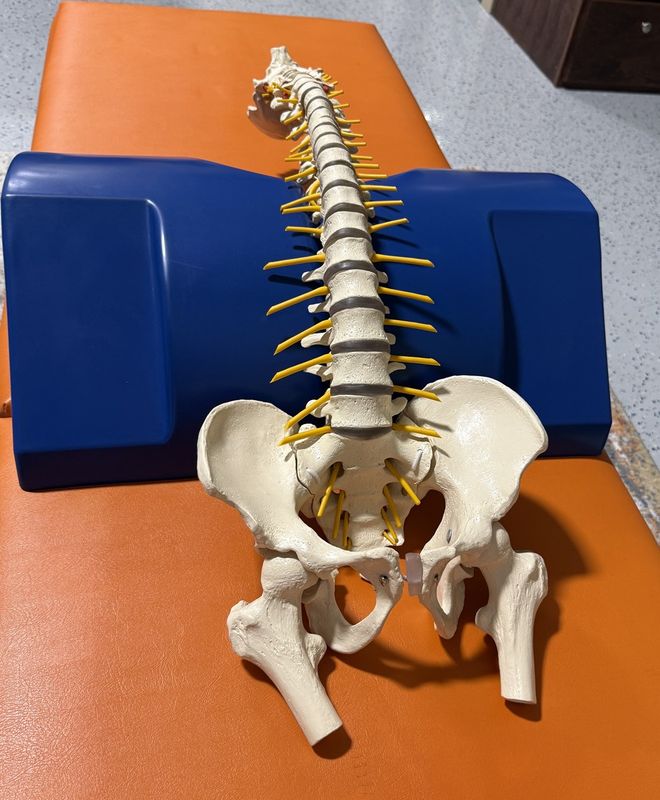
A flat floor gives the lumbar spine no shaped support. During many sit-ups, leg raises, and abdominal drills, the low back is pressed toward the floor and the natural lumbar curve is reduced. The Power Cushion places a supportive fulcrum beneath the lumbar spine so the trunk can move around a curve instead of collapsing into a flat surface.
The trunk behaves like a linked lever system. The pelvis and lumbar spine form part of the base, while the upper trunk and legs create resistance. When the lumbar spine is unsupported, long lever arms from the head, arms, and legs can pull the spine toward flexion and flattening.
The Power Cushion creates a controlled pivot beneath the lumbar region. This shortens the unsupported distance, redirects part of the load into the cushion, and helps the abdominal wall produce force without requiring the spine to collapse flat.
The result is not zero spinal force. The purpose is to improve how force is distributed and reduce unnecessary posterior shear and flexion stress.
The cushion becomes a pivot point beneath the lumbar curve, changing where the trunk rotates during movement.
Supporting the low back reduces the unsupported distance between the pelvis and upper trunk or legs.
The shaped support helps direct force through a maintained curve instead of pressing the lumbar spine flat.
A well-organized lumbar curve can use compressive force as part of structural stability. When the curve flattens, force may shift across the spinal segments instead of traveling through them.
Posterior shear describes force that encourages one vertebral segment to slide relative to another. The body responds by increasing tension in the multifidus, interspinales, erector spinae, fascia, ligaments, and surrounding muscles.
The Power Cushion supports the lumbar curve while the trunk muscles work, helping reduce the tendency to train repeated flattening and unnecessary shear.
In dead bugs, toe taps, leg raises, and similar exercises, moving the legs farther from the pelvis lengthens the lever arm. The longer the lever, the more muscular force is required to prevent the pelvis and low back from changing position.
When the abdominal wall cannot control the longer lever, the lumbar curve may flatten, the hip flexors may dominate, and the back muscles may brace. Supporting the lumbar curve reduces the tendency to solve the exercise by pressing the spine into the floor.
Global posture describes how the head, rib cage, pelvis, and trunk align as a whole. Segmental posture describes how individual vertebrae relate to one another.
A standard abdominal exercise may strengthen the rectus abdominis while allowing the lumbar segments to flatten. Power Cushion training aims to develop abdominal strength while preserving the relationship among the pelvis, lumbar curve, rib cage, and deeper stabilizers.
This is why the exercise feels different from simply doing more repetitions on the floor.
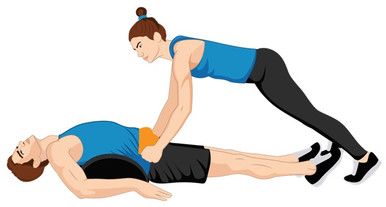
The pelvic tilt is a small, controlled movement performed over the Power Cushion. The cushion supports the lower lumbar region while the athlete learns to move the pelvis without losing the entire spinal curve.
A conventional floor sit-up begins with the low back pressed against a flat surface. The Power Cushion creates an arched starting position and a defined fulcrum beneath the lumbar region.
The trunk moves around that fulcrum while the abdominal wall controls the motion. This changes the starting geometry, preserves lumbar curvature longer, and reduces the need to generate movement by repeatedly flattening the spine.
Begin with a small range and low repetitions. Stop the set when the lumbar curve can no longer be maintained.
The Power Cushion can be used as posterior support during several core and hip exercises. The purpose is to maintain the lumbar curve and reduce compensation—not to force the back into an exaggerated arch.
Keep the lumbar curve supported while opposite arms and legs move. Shorten the range if the ribs flare or the pelvis shifts.
Lower one foot at a time while maintaining contact with the cushion and avoiding a forceful low-back flattening strategy.
Begin with bent knees and a short lever. Progress only when the lumbar curve remains organized throughout the movement.
Use the cushion to support the low back while the glutes and hips work without excessive lumbar motion.
Lift one foot at a time while keeping the pelvis level and the trunk quiet over the supported curve.
Use slow rib-cage breathing while the lumbar spine rests over the cushion to reduce rigid back-muscle bracing.
A medium-density cushion is generally the better starting point for learning the movement, building tolerance, and maintaining comfort. It offers support with enough compression to accommodate the body.
A firmer cushion is appropriate for advanced users who already control the movement and need more resistance or a more defined fulcrum. Firm is not automatically better.
The correct density allows clean breathing, controlled motion, and no sharp pain, numbness, radiating symptoms, or protective muscle guarding.
The cushion should support the lumbar curve, not sit beneath the tailbone or pelvis.
Reduce the movement when the ribs flare, pelvis shifts, breath stops, or the low back loses contact with the cushion.
Master the movement with body weight before adding bands, weights, or partner resistance.
When qualifying Power Cushion equipment is purchased, a printed copy of the applicable exercise guide is included in the shipment. Digital PDF guides remain available separately for customers who already own the equipment, want immediate access, or need a replacement copy.
Detailed pelvic tilt setup, progression, posture cues, and common mistakes.
View pelvic tilt guide →Learn the supported sit-up pattern and how the fulcrum changes the exercise.
View supported sit-up guide →Compare the Neck Flexion, pelvic tilt, sit-up, spinal twist, core stability, and athlete-performance guides.
View complete guide collection →A fulcrum changes the pivot point, lever arm, and direction of force so the trunk can move around a supported lumbar curve.
No. It is more accurate to say that proper support may reduce unnecessary posterior shear and repeated lumbar flattening.
It can provide a more supportive option for sit-ups, dead bugs, toe taps, frog pumps, marching, and leg raises.
Repeatedly flattening the lumbar curve trains a different spinal position and may increase compensation in some users.
Medium is generally the better learning and tolerance-building option. Firm is intended for advanced users.
Stop for sharp pain, numbness, weakness, radiating symptoms, dizziness, or worsening neurologic symptoms.
Use the Power Cushion as a controlled fulcrum for pelvic tilts, supported sit-ups, and longer-lever core exercises while preserving a healthier lumbar curve.
Explore Power Cushion options →