Posture Changes the Way Fascia, Muscles, Tendons & Ligaments Carry Load
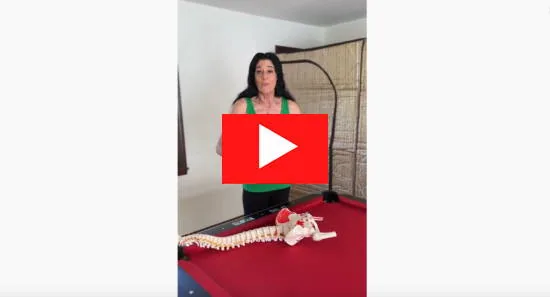
The spine does not function alone. Fascia links the trunk, shoulders, pelvis, and limbs into continuous tension pathways. Tendons transfer muscle force to bone, ligaments guide and limit joint motion, and deep postural muscles stabilize the vertebrae before larger muscles create movement.
When spinal curves flatten or the trunk shifts forward, these tissues adapt. Some muscles remain chronically shortened and overactive while others become lengthened, inhibited, or poorly recruited. Fascia can stiffen around the repeated posture, tendons may carry force from a less efficient angle, and ligaments may be exposed to repeated strain.
The result is often a muscle-imbalance pattern rather than one isolated tight muscle. The body may use the erector spinae, hip flexors, hamstrings, upper trapezius, or neck extensors to hold a posture that should be supported by better spinal alignment and balanced stabilizer recruitment.
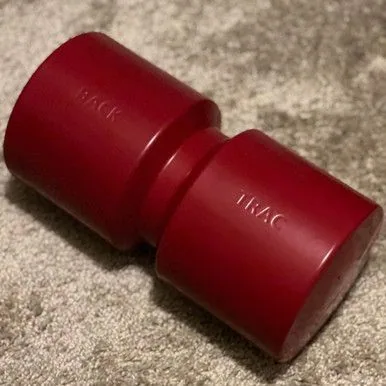
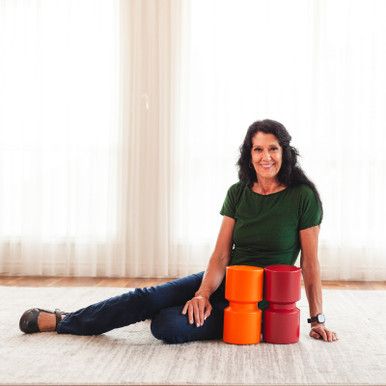
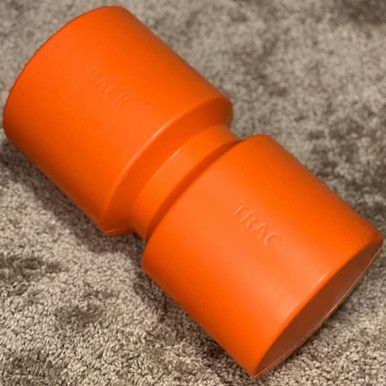
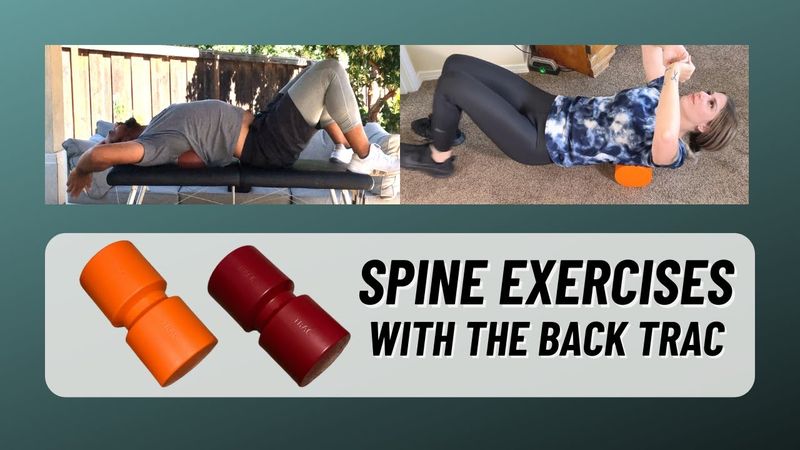
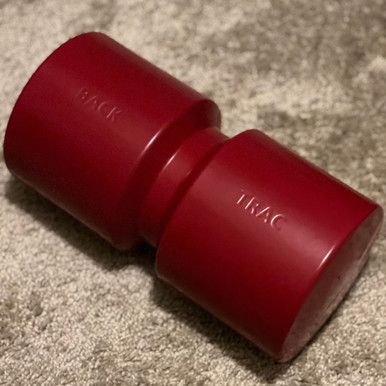
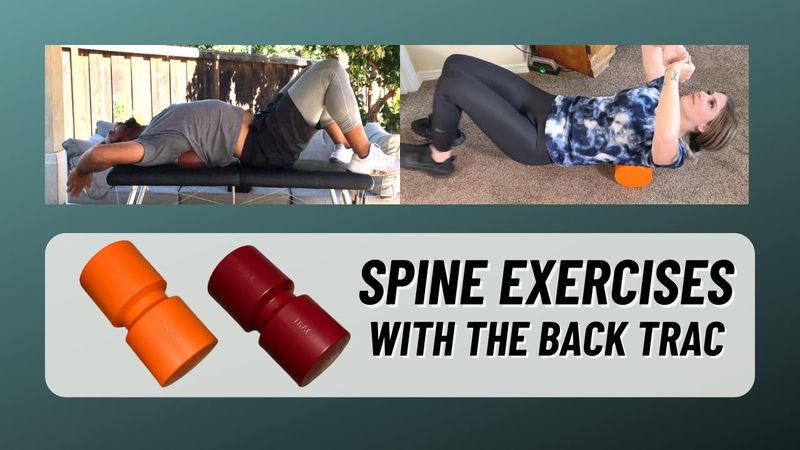
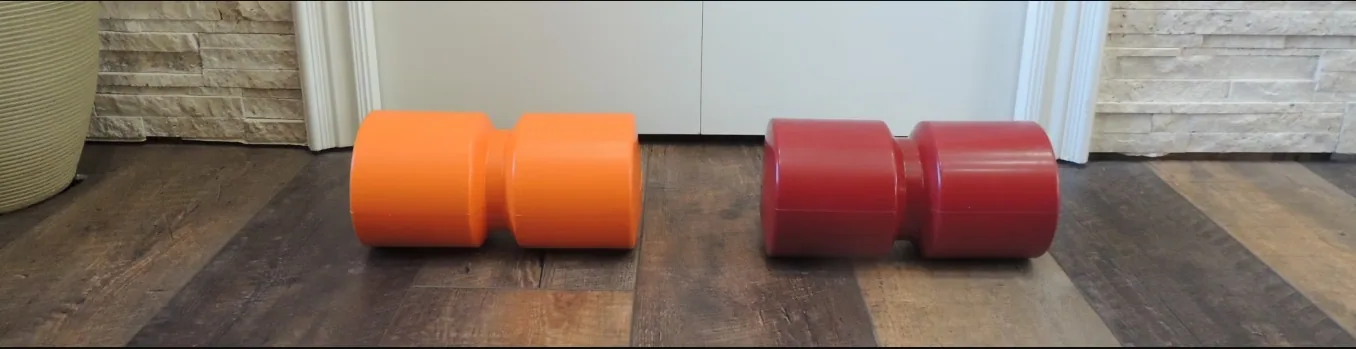
Back Trac provides a shaped posterior surface that helps the body explore extension, rotation, and segmental mobility without pressing directly into the bony centerline.