Tallow Skincare Guides
Creatrix Solutions • Grass-Fed Tallow Skincare
Tallow Skincare Guides
Straight, honest answers to what people actually ask about grass-fed tallow skincare — what it is, whether it clogs pores, balm vs. lotion, how to use it on your face, and how it compares to everything else in your routine. Each guide links to the right Creatrix formula.
What grass-fed tallow skincare actually is
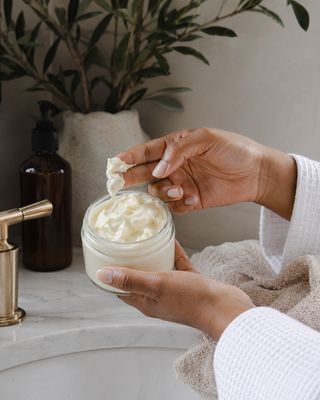
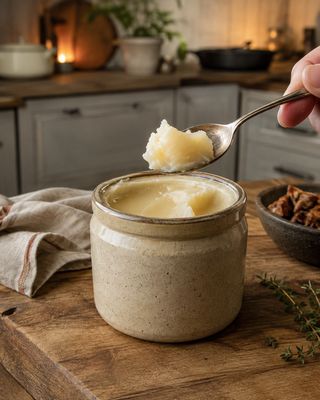
Tallow is rendered beef fat — and it turns out to be one of the most skin-compatible moisturizers you can use. It is remarkably similar in makeup to sebum, the oil your skin produces on its own, which is why it tends to absorb rather than sit heavy. It carries fat-soluble vitamins (A, D, E, and K) and works as both an emollient (softens and smooths) and a light occlusive (helps skin hold moisture).
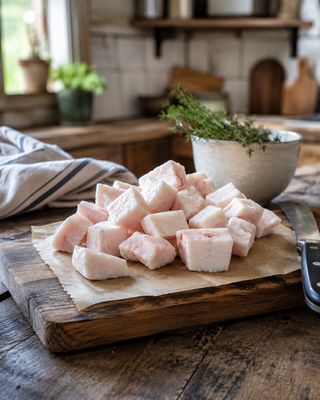
The quality of a tallow product comes down to the fat it starts with. The best skincare tallow is grass-fed, grass-finished kidney suet — the cleanest fat on the animal, from cattle raised without added hormones or antibiotics.
Why tallow suits skin so well
Three reasons it earns a place in a natural routine:
Skin-similarClose to your own sebum, so it absorbs well
Nutrient-richFat-soluble vitamins A, D, E & K
Dual actionSoftens (emollient) + seals moisture (occlusive)
Why Creatrix tallow is different
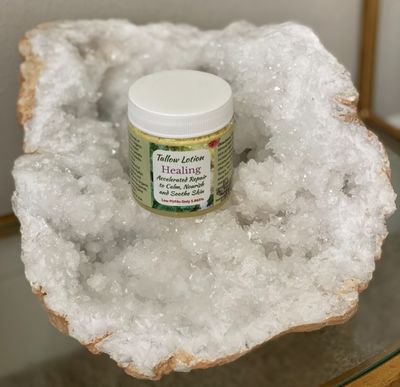
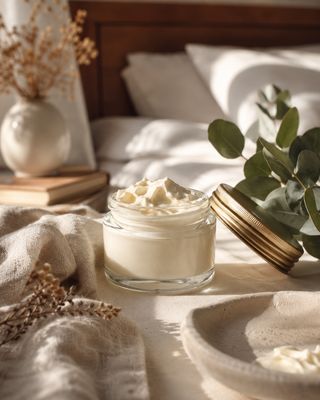
Plain whipped tallow is one approach. Creatrix goes further: ancestral ingredient, advanced formulation. We start with grass-fed kidney suet, then build targeted formulas — pairing tallow with botanicals, specialty oils, and Dead Sea minerals across balms, lotions, face care, and mineral SPF, so you can match the format to the job instead of using one heavy balm for everything.
Browse the guides
Tallow Basics
Is Beef Tallow Good for Skin?
The honest benefits-and-evidence overview.
What Is Grass-Fed Beef Tallow?
What it is, how it’s rendered, and why suet.
Why Kidney Suet?
The cleanest fat on the animal.
Is Tallow Comedogenic?
Does it clog pores? Answered honestly.
How to Store Tallow
Keep it fresh, smooth, and long-lasting.
Choosing a Formula
Tallow Balm vs. Lotion
Which format for which skin and use.
Whipped Balm vs. Body Butter
Texture, ingredients, and use.
Tallow for Your Face
Which format suits facial skin.
Tallow for Dry Skin
Why it works and how to use it.
Body Oil vs. Lotion (Crepey Skin)
How to choose for dry, mature-looking skin.
Skin Concerns
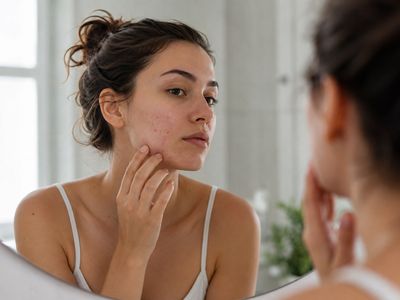
Tallow for Acne-Prone Skin
What to consider before you try it.
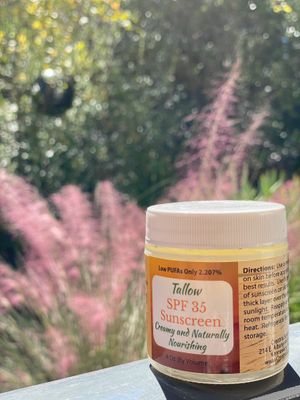
Tallow Sunscreen: What It Does
Mineral SPF on a tallow base — and a key myth.
Routine & Ingredients
What Does a Facial Toner Do?
Where toner fits, and toner + tallow.
Dead Sea Minerals in Skincare
What they do and how to use them.
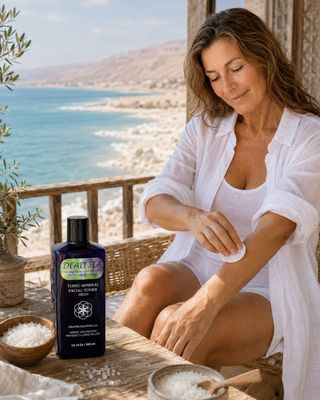
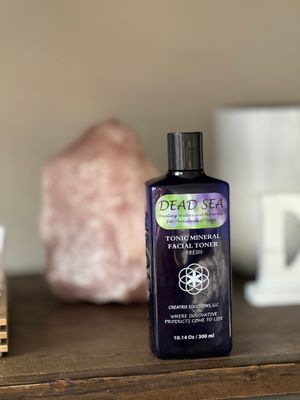
Shop Dead Sea Mineral Toners
Minerals to pair with your tallow.
Ready to shop?
Grass-fed tallow balms, lotions, face care, and SPF 35 mineral sunscreen.
Shop Tallow Skincare → Start with the basics →
Cosmetic use: These guides are educational and do not replace individualized medical advice. Creatrix Solutions skincare products are cosmetics intended to cleanse, tone, and moisturize the skin — not to diagnose, treat, cure, or prevent any disease or skin condition. Patch-test first and discontinue use if irritation develops.