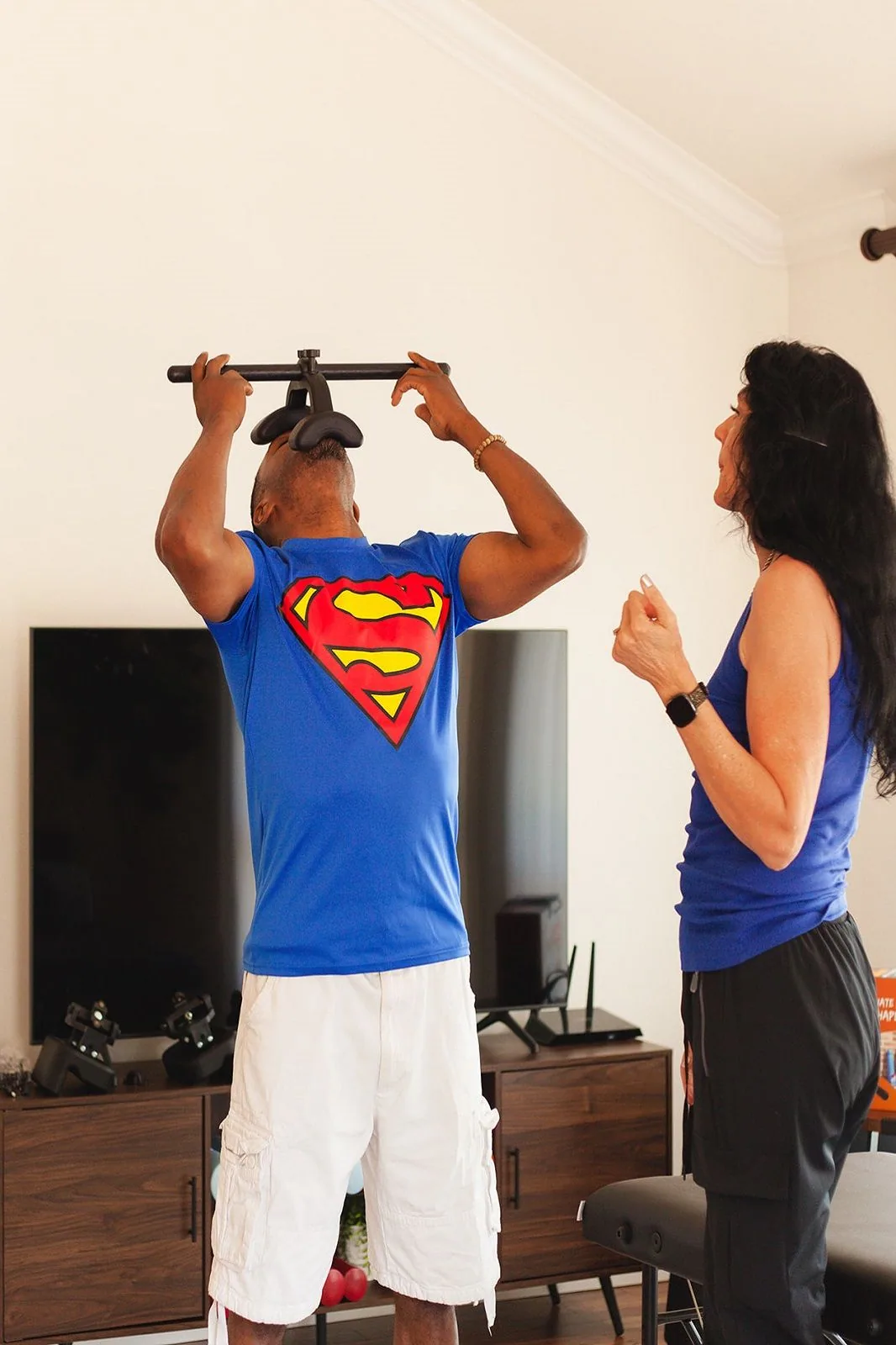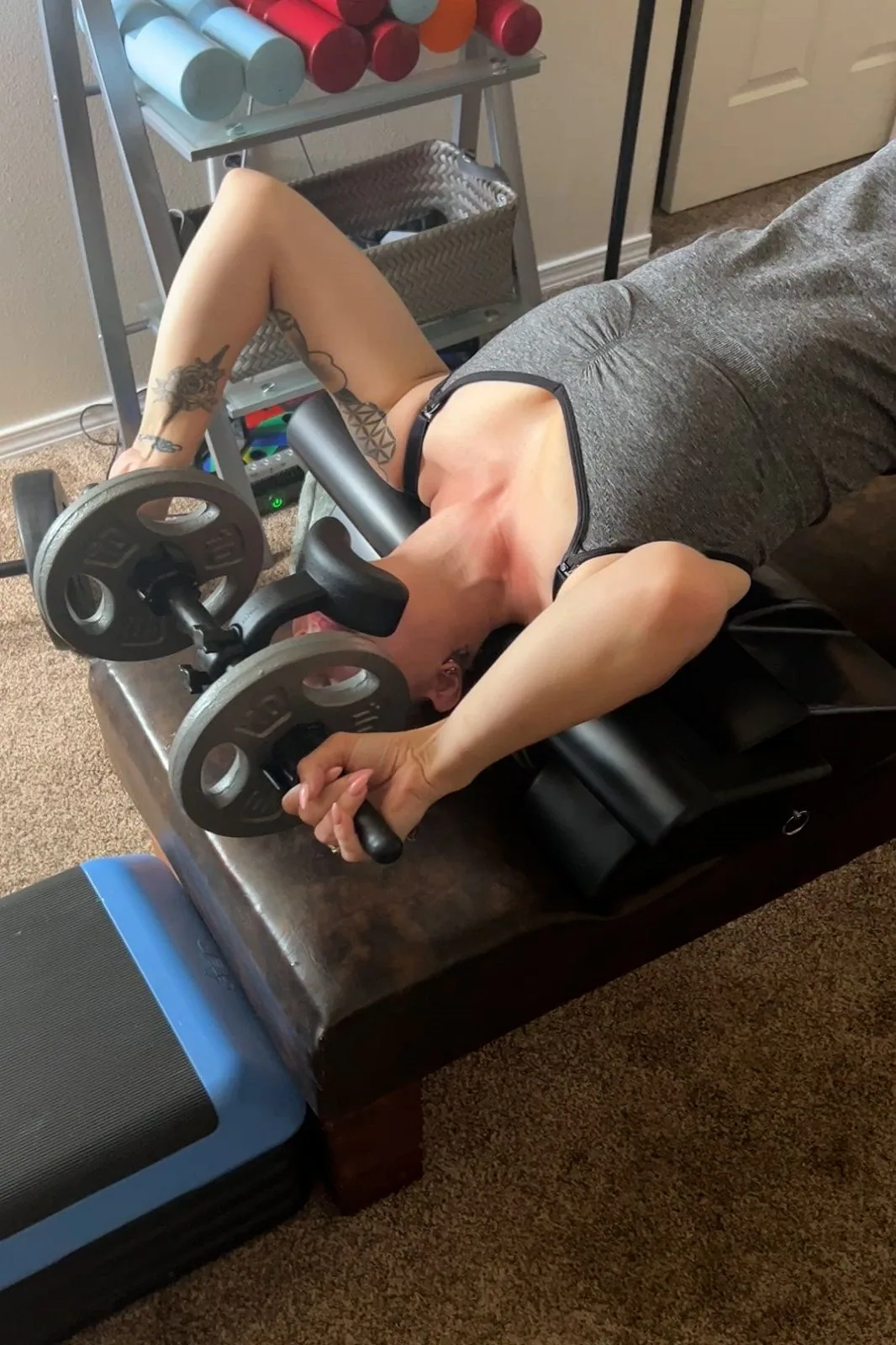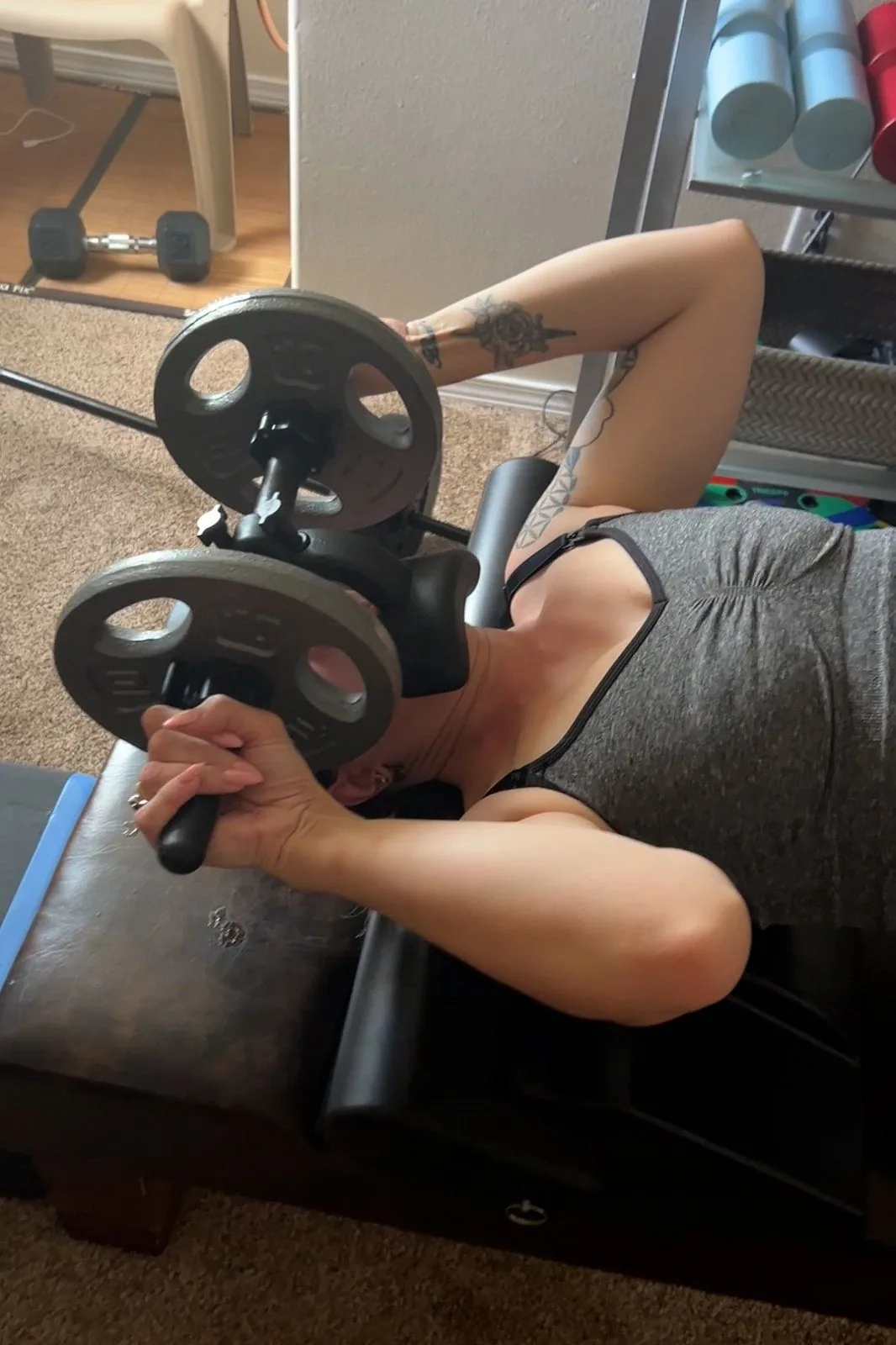
Why neck posture should be addressed early
The Cervical Curve Influences the Entire Posture System
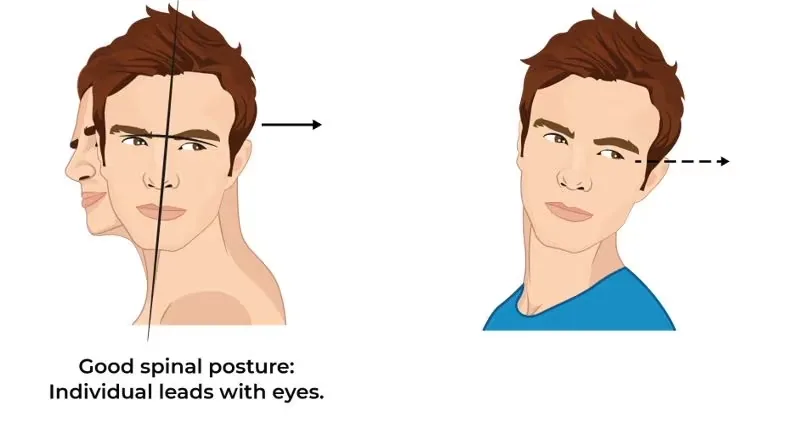
The neck is not an isolated stack of vertebrae. It positions the head over the rib cage and pelvis, helps organize vision and balance, and influences how the shoulders and upper back move.
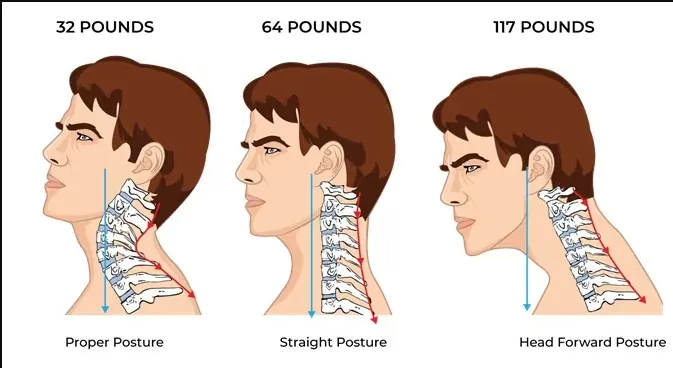
When the cervical curve is lost and the head moves forward, the body often compensates below it. The upper thoracic spine may round, the shoulders may roll forward, the rib cage may collapse, and the low back may flatten or overwork to keep the body upright.
Addressing neck posture early can interrupt that chain before it becomes a long-standing pattern of muscle imbalance, fatigue, restricted motion, disc stress, and nerve irritation.