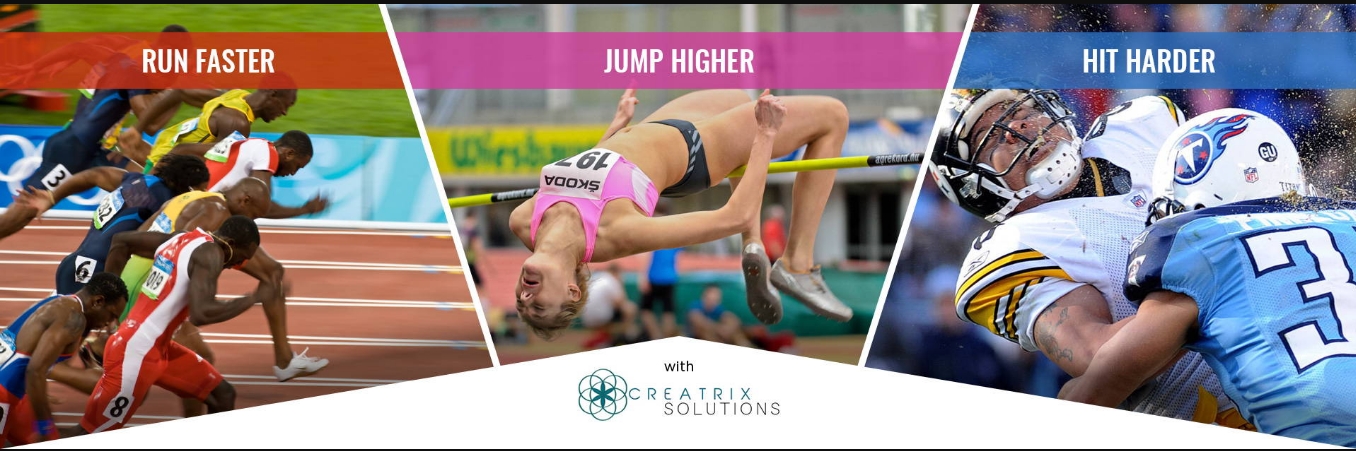
Athletic performance training
How to maximize speed, jump height & hitting power.
This athletic performance training system starts with the spine. Restore and protect the S-shaped curve to free up hamstrings, reduce joint stress, and improve usable strength for running, jumping, and contact.
Jump height Stride length Fast-twitch recruitment S-shaped posture mechanics
Built from Spinal Fitness research and refined in real training rooms with elite athletes and staff.
Maximize athletic training
Spinal fitness is a performance multiplier.
A strong spine with the right curve supports cleaner movement, better posture, and better output under load.
Train posture first so strength work and sport work become more productive.
How can we help you win?
Four core ideas.
Quick highlights from the spinal fitness approach.
Why spinal fitness matters
Muscle power is only as good as the curve behind it.
If the spinal curve has flattened from posture, training, or impact, adding more work can increase stress on the spine and hips instead of improving performance.
Restore the S-shaped curve so the body can use strength more efficiently for running, jumping, and contact.
Flexibility gains
From fingertips short of the floor to hands flat.
A short spinal fitness sequence can change the forward-bend test quickly by addressing the curve and position, not just the hamstrings.
Use the same flow: release tight segments, train controlled core work, then finish with rest positions.
Pelvic tilt & hip strength
Train the base of the spine for better takeoff.
The pelvic tilt builds control at the base of the spine while the hips and trunk stay engaged. This supports stronger acceleration and jumping mechanics.
Train with clean reps and build slowly. Use the drill in warm-ups and conditioning blocks.
Spine-friendly core work
Sit-ups that build, not flatten, the lumbar curve.
Unsupported sit-ups can reinforce a flattened low back and increase unwanted stress. The supported sit-up keeps the curve while training the trunk.
Keep reps clean. Stop before the lumbar curve collapses.
Quick-start curve checklist
A simple sequence to restore the S-shaped curve.
Follow this order to train posture first, then performance.
- Controlled spinal twists: brief rotation to loosen segments.
- Rest on neck & low-back rollers: let posture settle.
- Back Trac rolling: open segments with the grooved roller.
- Neck flexion: short daily sets; progress gradually.
- Supported sit-ups: low reps over a fulcrum; increase slowly.
- Pelvic tilts: clean reps; build volume over time.
Training sequence
Six steps to build an S-shaped spine that can perform.
Use this sequence in practice plans, off-season cycles, or rehab progressions.
- Back twist & mobility prep: controlled rotation.
- Back Trac rolling: grooved roller work to open joints.
- Correct sit-up work: strengthen the curve instead of flattening it.
- Pelvic tilt progressions: build control for better hip power.
- Neck flexion & posture: bring the head back over the pelvis.
- Rest over neck & back rollers: finish by letting posture settle.
Over time, these steps help athletes stand and move better before heavier strength or speed work.
Why posture is important
Better posture supports better performance.
Global posture and segmental posture work together. When the spine holds its curves, athletes move with better mechanics and less breakdown under load.
#CreatrixCurve #ShapeAway #LetItFloat
Support tools
Equipment and resources that support the program.
Tools and guides used to train spinal curves and improve recovery.
Power Cushion
Use as the fulcrum for pelvic tilts and supported sit-ups.
Explore posture correctors →Back & neck loosening article
Practical cues for reducing tightness and improving posture.
Read article →Get the complete “How to Improve Athlete Performance” guide.
Posture comparisons, diagrams, and training notes for the gym, field, and training room.
Download performance PDF →
Assess your spinal fitness
Set a baseline. Train the curve.
Use the PDF to assess posture and mobility, then follow the sequence to improve your curve over time.
Who uses this approach
Trusted by athletes and coaches across sports.
Spinal Fitness concepts and Creatrix tools are used by athletes, strength coaches, and lifters who want their backs and necks to hold up under years of training.
Names mentioned include: Luke Rockhold, Greg Vaughn, Wendy Myers, Matt Rife, Eli Harold, and Jet Johnson.
Use these principles to help athletes run faster, jump higher, hit harder—and train with a spine prepared for load.
Powered by Lightspeed
Display prices in:USD