Know How to Purify Air in Your Home
Indoor Air Quality
Cleaner Breathing Starts at the Source
Source control, ventilation and smart purification, working together.

Cleaner indoor air begins with pollutant-source control, ventilation and an air-quality plan suited to your home.
At a Glance
- Americans spend approximately 90% of their time indoors, where some pollutant concentrations are often two to five times higher than outdoors.
- A pleasant fragrance is not evidence of clean air — find and remove the odor source instead of masking it.
- Source control, ventilation and moisture management come before any air-cleaning device.
- Houseplants add beauty, but an ordinary number of potted plants cannot clean the air in a full-size occupied home.
- Breathe Safe® adds portable plasma-ion air purification near your personal breathing zone.
Learn where indoor air pollutants come from, how to reduce them at the source, and how ventilation, filtration, cleaning practices and portable air-purification technology can work together to create a fresher indoor environment.
It is easy to assume that closing the doors and windows protects your family from polluted outdoor air. Unfortunately, the air inside a home may contain its own mixture of particles, fragrances, cleaning chemicals, cooking emissions, smoke, biological contaminants and gases released by household materials.
According to the U.S. Environmental Protection Agency, Americans spend approximately 90% of their time indoors, where concentrations of some pollutants are often two to five times higher than typical outdoor concentrations. For a deeper, room-by-room look at VOCs, particles and ventilation, the Indoor Air Quality guide walks through each layer of the plan.
Improving indoor air is therefore not about purchasing one product and ignoring everything else. The most effective approach combines:
- Removing or reducing pollutant sources
- Bringing in appropriate outdoor air
- Controlling moisture and mold
- Capturing airborne particles
- Reducing odors and gaseous contaminants
- Using supplemental air-purification technology appropriately
The key principle: Do not merely cover an odor with fragrance. Find the source, remove it when possible, ventilate the area and then use the appropriate air-cleaning strategy.
When supplemental purification earns a place in that plan, a portable unit such as the Breathe Safe® Plasma Air Purifier can move to whichever room you are actually using.
Why Can Indoor Air Become More Polluted Than Outdoor Air?
Outdoor pollution does not simply stop at the front door. Smoke, pollen, dust, vehicle exhaust and fine particles can enter through doors, windows, ventilation systems and small gaps in the building envelope.
At the same time, everyday indoor activities create additional pollutants. Cooking, burning candles, using a fireplace, cleaning, applying cosmetics, renovating and operating certain appliances can all affect indoor air.
Modern buildings may also be constructed to limit unwanted air leakage. That can improve energy efficiency, but without adequate ventilation, indoor pollutants and moisture may remain trapped and become more concentrated.
Common Indoor Air Pollutants
Particles
Dust, pollen, pet dander, fibers, smoke particles and fine particulate matter.
Gases and Vapors
VOCs, combustion gases, fragrances and chemicals released by household products.
Biological Sources
Mold spores, bacteria and other contaminants associated with moisture, people, pets and surfaces.
Volatile Organic Compounds and Household Off-Gassing
Volatile organic compounds, commonly called VOCs, are gases emitted by certain solids, liquids, products and processes. Some VOCs can cause short-term irritation, while repeated or substantial exposure to particular compounds may be associated with longer-term health concerns.
The EPA reports that concentrations of many VOCs are consistently higher indoors than outdoors and may be up to ten times higher inside. Levels can rise during painting, refinishing, cleaning, remodeling and the use of products containing solvents or fragrances.
Potential Sources of VOCs and Indoor Chemicals
- Paints, stains and varnishes
- Adhesives and construction materials
- Pressed-wood furniture and cabinetry
- New carpet, flooring and padding
- Mattresses and upholstered furniture
- Cleaning and disinfecting products
- Air fresheners and fragranced sprays
- Dryer sheets and scented laundry products
- Cosmetics and personal-care products
- Nail polish and nail-polish remover
- Printers and office supplies
- Craft, hobby and automotive products
- Pesticides and insect repellents
- Stored fuels and solvents
- Smoke from cooking, candles, fireplaces or tobacco
New-product tip: Furniture, flooring, mattresses and remodeling materials may release stronger odors when first installed. Increase ventilation when outdoor conditions permit, follow the manufacturer’s instructions and allow new materials to air out before spending extended periods in the room.
Do Air Fresheners Really Make the Air Cleaner?
A pleasant fragrance is not evidence of clean air. Many sprays, plug-ins, scented candles and fragranced products add chemicals to the air while masking the underlying source of an odor.
Fragrances can be especially uncomfortable for people who are sensitive to strong odors or who live with asthma, migraines, allergies or other respiratory concerns. Instead of repeatedly covering an odor, determine whether it comes from moisture, spoiled food, drains, smoke, pets, garbage, carpeting, upholstery or inadequate ventilation.
A Better Odor-Control Process
- Locate the source. Check drains, fabrics, garbage, moisture, pet areas and ventilation.
- Remove contaminated material. Clean or discard the item creating the odor.
- Correct moisture problems. Repair leaks and dry damp materials promptly.
- Ventilate safely. Exhaust the room when outdoor air quality is acceptable.
- Use appropriate air treatment. Choose technology based on whether the concern is particles, gases, odors or a combination.
How to Improve the Air Inside Your Home
1. Improve Ventilation When Outdoor Conditions Are Safe
Ventilation replaces stale indoor air with outdoor air and helps reduce the concentration of pollutants generated inside the home. Open windows or doors when outdoor air quality, temperature, humidity and security conditions make it appropriate.
Use exhaust fans that vent outdoors while cooking and bathing. A range hood is particularly important when cooking with gas or when frying, searing or using high-temperature cooking methods that produce smoke and fine particles.
During wildfire smoke, heavy traffic pollution, high-pollen periods or extreme humidity, opening the windows may make indoor conditions worse. In those situations, keep windows closed as needed and rely on appropriate mechanical filtration and air circulation.
2. Control Pollution at the Source
Source control is often more effective than trying to remove a pollutant after it has spread throughout the home. Reducing the number of fragranced, solvent-based and smoke-producing products used indoors can immediately reduce the burden placed on ventilation and air-cleaning equipment.
- Do not smoke or vape indoors.
- Use low-emission paints, finishes and adhesives when possible.
- Store fuels, pesticides and strong solvents outside the living area.
- Avoid unnecessary plug-ins, fragrance sprays and heavily scented candles.
- Follow product labels and never mix household cleaning chemicals.
- Use lids and outdoor-venting exhaust fans while cooking.
- Remove shoes at the door to reduce tracked-in dirt, pesticides and outdoor particles.
3. Reduce Dust and Airborne Particles
Dust is a mixture of fibers, soil, skin cells, pollen, pet material and particles that settle onto floors and surfaces. Cleaning methods that capture dust are preferable to methods that simply push it back into the air.
- Vacuum with a well-sealed machine and an appropriate high-efficiency filter.
- Damp-dust hard surfaces rather than using a dry feather duster.
- Wash bedding regularly.
- Clean return-air grilles and replace HVAC filters as recommended.
- Keep pet sleeping areas and fabrics clean.
- Reduce clutter that collects dust and makes surfaces difficult to clean.
4. Control Moisture and Indoor Humidity
Excess moisture can encourage mold growth and dust-mite activity. Very dry air, on the other hand, may irritate the nose, throat, eyes and skin. Use a humidity monitor and manage indoor moisture according to your climate and building conditions.
- Repair plumbing, roof and foundation leaks promptly.
- Use bathroom exhaust fans during and after bathing.
- Dry wet building materials and carpeting as quickly as possible.
- Use a dehumidifier in persistently damp spaces when appropriate.
- Do not operate a humidifier without regular cleaning and water replacement.
5. Address Combustion Safety
Air-cleaning equipment does not replace working smoke alarms, carbon-monoxide alarms, appliance maintenance or professional inspection of combustion equipment.
- Maintain fuel-burning appliances according to manufacturer instructions.
- Never operate a generator, grill or vehicle inside an attached garage or enclosed area.
- Install carbon-monoxide alarms in appropriate locations.
- Have fireplaces, chimneys, furnaces and venting systems inspected as needed.
6. Enjoy Houseplants—but Keep Their Role in Perspective

Houseplants add beauty, natural color and a sense of connection with nature. Laboratory studies have shown that plants and their associated soil microorganisms can interact with certain airborne chemicals under controlled conditions.
However, an ordinary number of potted plants should not be relied upon to clean the air in a full-size occupied home. Real buildings have far greater air volume, continuing pollution sources and constant air exchange. Plants work best as part of a pleasant indoor environment—not as a replacement for ventilation, filtration, moisture control or pollutant-source removal.
Keep plant soil from remaining excessively wet, because persistently damp soil may support mold or fungus-gnat activity. Also confirm that each plant is safe for children and pets in your household.
How Breathe Safe® Supports a More Complete Air-Quality Strategy
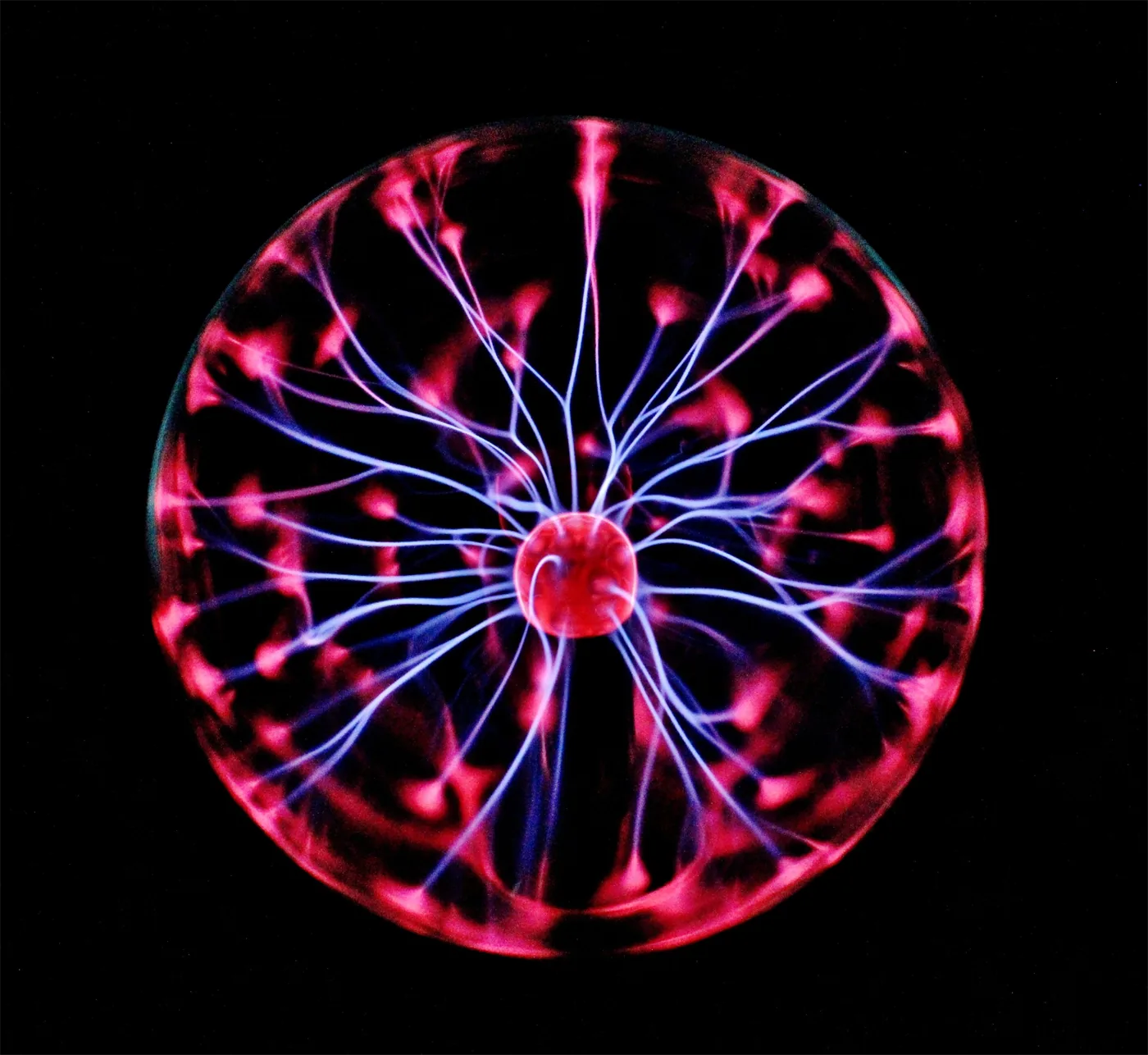
Plasma-ion technology illustration.
Breathe Safe® is a compact, portable plasma and ion-generating air-purification device developed for use in a person’s immediate environment. Unlike a large room appliance that remains in one location, Breathe Safe® can be moved between a home, office, vehicle, hotel room or Sauna Fix® session. A dedicated Breathe Safe® Sauna ION Generator is also available for sauna sessions.
The device is designed to generate a controlled combination of positive and negative plasma ions rather than relying only on negative-ion output. According to Creatrix Solutions product information, Breathe Safe® generates more than 23 million plasma ions.
The unit may also be connected to a compatible 20,000 mAh power bank, making it easier to use when a standard electrical outlet is unavailable.
Potential Advantages of the Portable Design
- Small enough to move from room to room
- Suitable for placement near a desk or personal sitting area
- Useful during travel or in temporary environments
- Compatible with supported portable power-bank use
- Designed for focused use near the personal breathing zone
- Can complement—not replace—ventilation, cleaning and source control
Important
Product-testing results describe performance under specific test conditions and should be reviewed in context. Breathe Safe® is not a substitute for smoke alarms, carbon-monoxide alarms, mold remediation, medical care, professional HVAC service or correction of a hazardous pollution source.
Breathe Safe® or Ionic Refresher: Which One Should You Use?
Breathe Safe® and Ionic Refresher are designed for different roles. The best option depends on whether you want focused portable use, continuous operation in a specific room or a combination of both.
| Feature | Breathe Safe® | Ionic Refresher |
|---|---|---|
| Primary use | Portable, focused personal-area use | Continuous use in a designated room |
| Technology | Positive and negative plasma-ion generation | Negative-ion technology |
| Portability | Designed to travel between locations | Typically remains in one selected area |
| Suggested placement | Near a desk, chair, travel area, vehicle or sauna | Bedroom, office or another frequently used room |
| Combined strategy | Some customers use Breathe Safe® for portable focused use and Ionic Refreshers in rooms where they want ongoing operation. | |
Neither device eliminates the need to remove pollution sources, correct water damage, maintain HVAC equipment or ventilate appropriately.
Room-by-Room Indoor Air Checklist
Kitchen
- Use the outdoor-venting range hood
- Clean grease from cooking surfaces
- Take garbage out regularly
- Check for gas or combustion concerns
Bedroom
- Wash bedding regularly
- Vacuum beneath the bed
- Avoid unnecessary fragrance products
- Allow new furniture or mattresses to air out
Bathroom
- Use the exhaust fan during bathing
- Repair leaks immediately
- Dry wet towels and surfaces
- Investigate recurring mold or musty odors
Home Office
- Dust electronics and vents
- Limit fragranced sprays
- Ventilate after printing or unpacking products
- Position portable air treatment safely near the work area
Laundry Area
- Confirm the dryer vents outdoors
- Clean the lint trap after each load
- Repair water leaks
- Consider reducing strongly scented laundry products
Garage and Storage
- Keep chemicals tightly sealed
- Do not idle vehicles indoors
- Store fuel away from living spaces
- Seal unwanted air leakage into the home
Eileen’s Experience: The Smell I Learned Not to Trust
I remember all the exhaust fumes in the repair shop — I used to think they smelled good. That is the honest truth, and it is exactly why I no longer trust my nose to tell me whether air is safe to breathe.
The moment I learned what I was actually breathing in that shop changed how I treat the air in my own home. A smell can seem pleasant, familiar, even comforting, while the air carrying it holds things I would never knowingly choose to inhale.
That lesson shapes the way I approach indoor air today: find the source, deal with the source, and keep fresh-feeling air moving through the rooms where I actually spend my time. It is also why a fragrance never impresses me — pleasant is not the same as clean.
Frequently Asked Questions About Purifying Indoor Air
Is indoor air always more polluted than outdoor air?
No. Indoor and outdoor air quality change throughout the day and depend on location, weather, building conditions and human activity. Some indoor pollutants, however, may become more concentrated because they are generated inside and have limited pathways to escape.
Should I keep my windows open all day?
Not necessarily. Open windows when outdoor air quality and weather conditions are favorable. Keep them closed when smoke, heavy pollution, excessive pollen, extreme heat or high humidity would worsen indoor conditions.
Can houseplants replace an air purifier?
No. Plants may add beauty and support well-being, but a normal number of plants does not provide enough real-world air cleaning to replace ventilation, particle filtration, moisture control or removal of pollutant sources.
Can an air purifier solve a mold problem?
No air purifier can correct the moisture source that allows mold to grow. Leaks, damp materials and contaminated building components must be addressed. Air cleaning may be used only as one supporting measure within a proper moisture-control and remediation plan.
Where should I place the Breathe Safe®?
Place it on a stable surface where air can circulate around the device and where its output can be directed toward the area you occupy. Follow the current product instructions and keep the unit away from water, unstable surfaces and locations where its airflow may be obstructed.
Create a More Complete Indoor Air Strategy
Cleaner indoor air begins by reducing pollution sources, improving ventilation, controlling moisture and selecting air-treatment tools that match your environment. Breathe Safe® offers a portable way to add plasma-ion air purification near the spaces where you live, work, travel and relax.
Educational Resources
Explore More
Published 2020 • Updated August 27, 2026
By Eileen Durfee, inventor of the Breathe Safe® Plasma Air Purifier.
Educational notice: This article is shared for general education about indoor air quality, and the products mentioned are not intended to diagnose, treat, cure, or prevent any disease. Individual sensitivities, building conditions and pollution sources vary, so experiences differ from home to home. For specific concerns, consult a qualified healthcare professional, and bring in an HVAC, indoor-air-quality or remediation professional when your building needs one.
More from Eileen Durfee
Healthy aging and resilience: the long-game approach on EileenDurfee.com