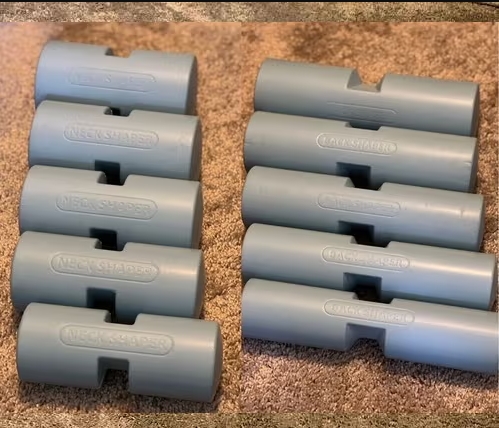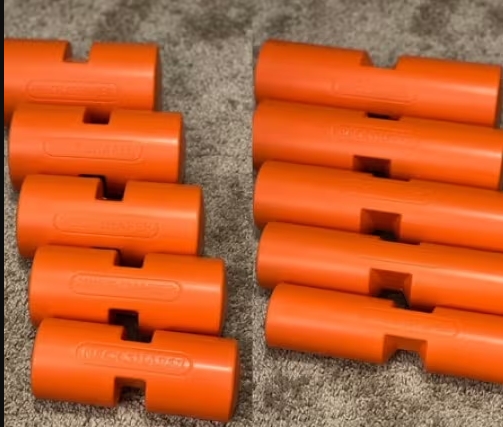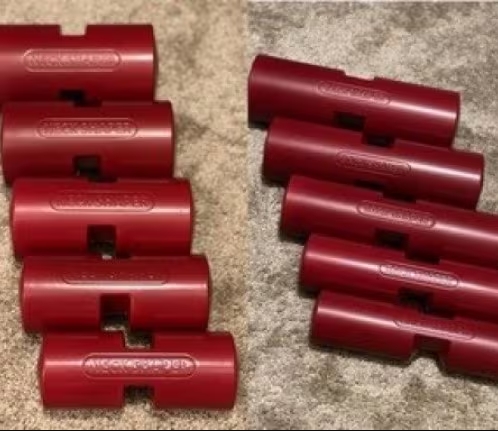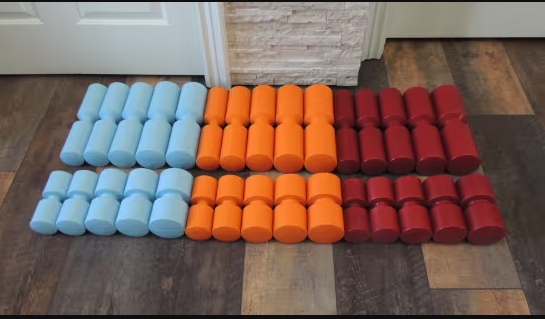
Address the Root Cause of Back Pain
Instead of masking symptoms, these rollers help correct structural imbalances that lead to pain and dysfunction.
They may help improve conditions such as:
- Chronic low back and neck pain
- Herniated or bulging discs
- Pinched nerves and nerve irritation
- Spinal stenosis
- Scoliosis and asymmetrical curvature
- Limited range of motion and stiffness
Improve Posture and Movement Mechanics
Poor posture affects how your body moves under load. These rollers help restore proper alignment so your body can:
- Move with better efficiency
- Reduce compensations and imbalances
- Improve joint positioning during exercise
This is critical for anyone lifting weights, training, or performing repetitive movements.
Increase Range of Motion and Flexibility
When the spine is properly aligned and decompressed, surrounding muscles can relax and lengthen more effectively.
This can lead to:
- Improved spinal mobility
- Greater flexibility in the hips, shoulders, and back
- Better movement patterns during exercise
More range of motion = better performance and lower injury risk.
Enhance Resistance Training Performance
Using foam rollers as part of your training routine can significantly improve results.
Before training:
- Rolling the full back helps warm up the spine
- Spinal twists improve rotation and mobility
- Prepares joints for deeper, safer movement
During training:
- Improved posture leads to better lifting mechanics
- Increased range of motion allows for fuller muscle engagement
- Helps maintain proper spinal alignment under load
After training:
- Lying on the rollers supports recovery and decompression
- Reduces post-workout tightness and stiffness
This makes the system ideal for:
- Strength training
- Functional fitness
- Rehabilitation programs
- Injury prevention
Provide Gentle Spinal Decompression
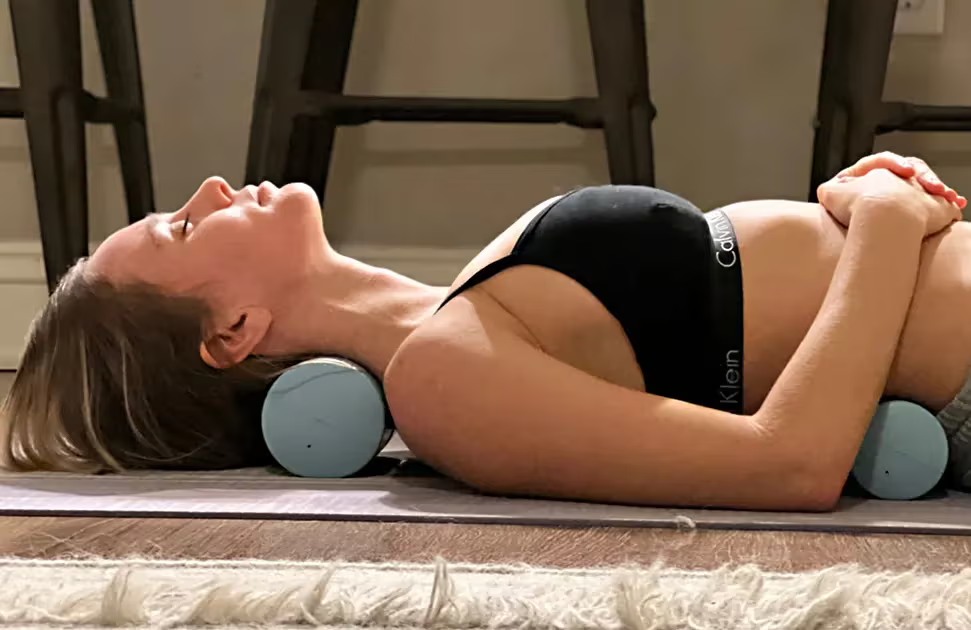
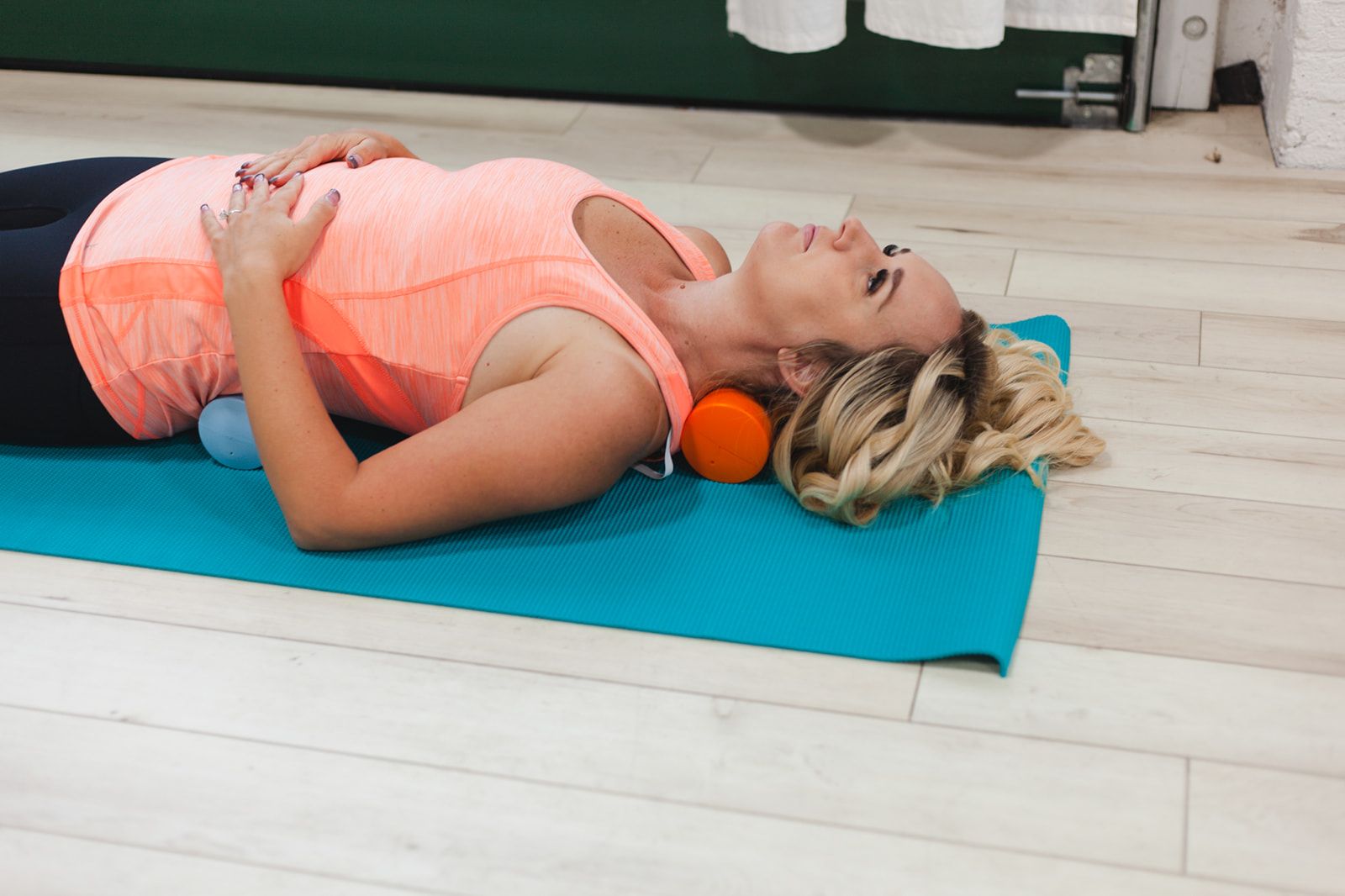
Lying on the neck and low back rollers allows your body weight to create segmental traction, which helps:
- Reduce pressure on discs and nerves
- Improve circulation to spinal tissues
- Relax deep, hard-to-reach muscles