Back Posture Correction • Spinal Fitness
Do Posture Correctors Really Work?
A posture corrector holds your shoulders back — but the moment you take it off, your body returns to where it was. That is not a flaw in the strap; it is the whole problem. A brace manages the symptom (the slouch) without changing the structure that causes it: your spine’s natural curves. A brace holds the body; Spinal Fitness restores the structure, movement, strength, and force‑management that let the body hold itself — so you stand upright without a device. Here is how.
Restore the Natural S-Shaped Spine for Better Posture, Strength & Movement
Back posture correction is not simply about standing straighter. It is about restoring the cervical, thoracic, and lumbar curves that help the body manage gravity, reduce unnecessary muscle effort, and transfer force through the spine with greater stability.
S-shaped spine Lumbar curve restoration Correct Neutral Spine Global and segmental posture Five-step Spinal Fitness system
This page explains the complete posture framework. Detailed equipment, exercise, and guide pages are linked throughout.
What an S-shaped spine is
The Cervical, Thoracic & Lumbar Curves Work as One System
The adult spine is designed with a forward cervical curve, a backward thoracic curve, and a forward lumbar curve. Together, these curves help position the head and rib cage over the pelvis while allowing the body to absorb, redirect, and transfer force.
When one curve is lost, the others often compensate. A flattened lumbar curve can pull the trunk forward, a rounded thoracic spine can move the shoulders and head ahead of the pelvis, and a straight or forward neck can increase the muscular work required to hold the head upright.
Why posture correction is different
Standing Straighter Does Not Automatically Restore Spinal Mechanics
A person can pull the shoulders back and still have poor segmental posture. True correction requires attention to the shape and control of the spine itself, not only the appearance of the body from the outside.
Spinal Fitness combines passive support, mobility, corrective strength, and daily posture practice so the body can both find and maintain a healthier configuration.
The physics of posture
Centers of Mass, Lever Arms & the Gravity Tax
The body behaves as a linked system of levers. When the head, rib cage, and pelvis are stacked more efficiently, the centers of mass remain closer to the intended support base and muscles do not have to work as hard to resist gravity.
When the head or trunk moves forward, the effective lever arm becomes longer. Posterior muscles must create more force just to keep the body upright. This continuous effort becomes a gravity tax that reduces endurance, increases stiffness, and leaves less muscular capacity available for movement.
Balanced Centers of Mass
Efficient posture keeps the head and trunk more closely organized over the pelvis and feet.
Shorter Effective Lever Arms
Better alignment reduces the muscular force needed simply to oppose gravity.
More Usable Strength
When muscles are not occupied with posture rescue, more capacity remains for walking, lifting, sport, and daily activity.
Compression versus posterior shear
Why the Direction of Force Matters
In an organized S-shaped spine, compressive force can travel through the vertebral bodies, discs, and facet joints in a way that contributes to stability.
When the curves flatten, force may shift across the spinal segments instead of traveling through them. This posterior shear can increase the workload on discs, ligaments, fascia, multifidus, interspinales, and larger back muscles.
The goal of posture correction is not to eliminate all spinal force. It is to improve how force is distributed so the structure requires less muscular rescue.
Whole-body effects
How Poor Spinal Posture Can Affect the Entire Body
Neck & Shoulders
Forward-head posture lengthens the lever arm of the head and can increase upper-back, shoulder, and cervical muscle tension.
Breathing
A collapsed rib cage may limit expansion and increase reliance on accessory breathing muscles in the neck and upper chest.
Hamstrings
When the trunk shifts forward, the hamstrings may act as postural brakes instead of remaining available for stride and hip extension.
Hips & Knees
Poor trunk position can change how force passes through the pelvis, hips, and knees during walking, squatting, and jumping.
Fatigue
Constant postural muscle activity increases energy use and may contribute to stiffness, weakness, and reduced endurance.
Athletic Performance
Force can be lost into collapse, shear, and compensation instead of transferring efficiently through the body.
Global versus segmental posture
A Person Can Look Upright and Still Have Poor Spinal Curves
Global posture describes how the head, trunk, and pelvis align as a whole. Segmental posture describes how individual vertebrae relate to one another.
Someone may appear upright globally while still having a straight cervical curve, flattened lumbar curve, restricted thoracic movement, or poor control at specific spinal segments.
The Spinal Fitness system addresses both levels: whole-body organization and the position of individual spinal regions.
Spinal Fitness posture screen
Evaluate the Structure Before Adding More Load
Neck Position
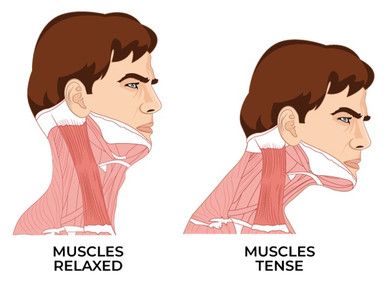
Observe whether the head sits over the trunk or drifts forward. A more vertical sternocleidomastoid often accompanies forward-head posture.
Head Turn
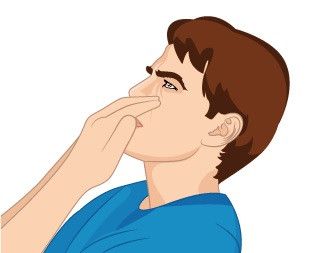
Healthy turning tends to begin with the eyes. Leading with the chin can reveal restricted cervical organization.
Shoulder & Arm Raise
Watch whether the head moves forward, ribs flare, or low back changes position when the arms rise.
Breathing Mechanics
Look for rib expansion and a relaxed lumbar concavity rather than rigid back-muscle bracing.
Hamstring Reach
Measure fingertip distance before and after correction work. Rapid change may show that tightness was partly postural.
Jump & Landing
Organized posture helps a person rise and land over the same support base instead of drifting forward.
The five-step Spinal Fitness method
Restore Mobility, Curves, Strength & Posture Control
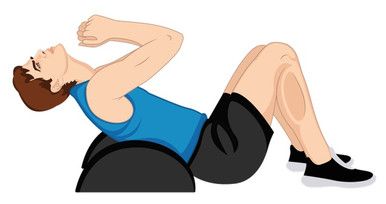
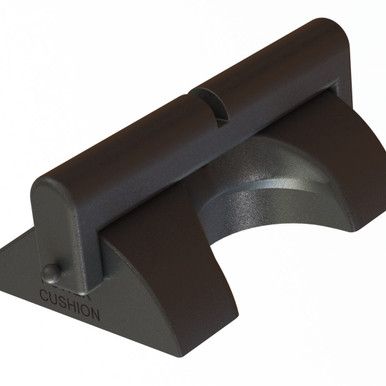
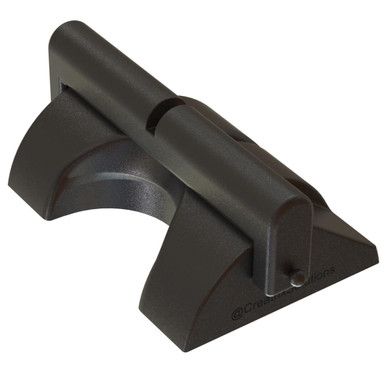
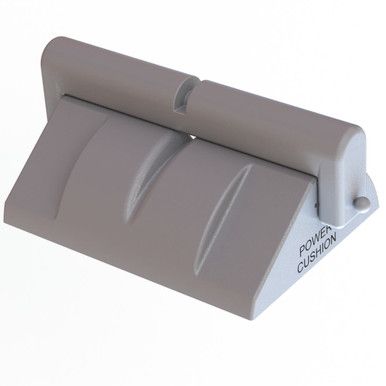
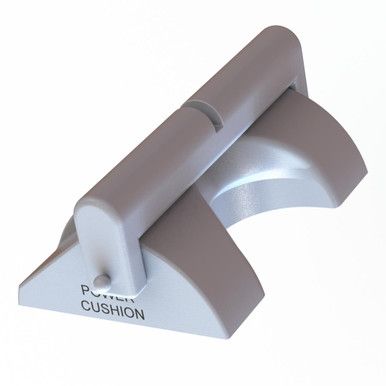
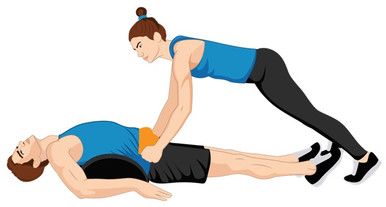
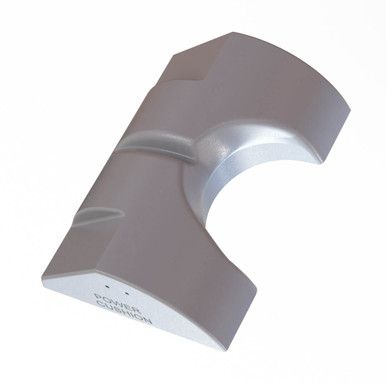
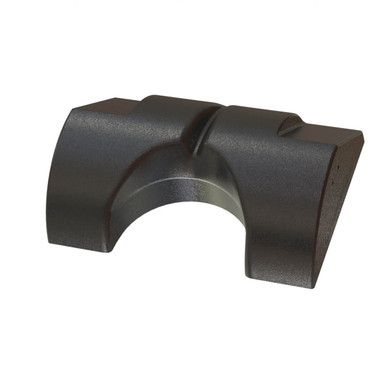
- Supported Sit-Up Over the Power Cushion: train the abdominal wall while maintaining the lumbar curve.
- Back Trac Rolling: improve segmental mobility and prepare the spine for corrective work.
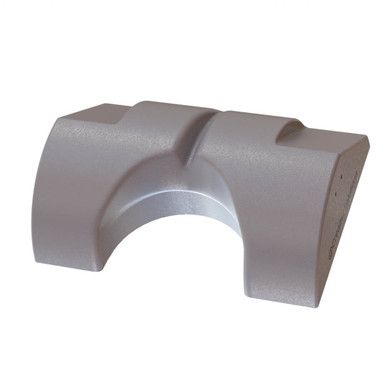
- Pelvic Tilt Over the Power Cushion: strengthen abdominal, pelvic, and multifidus control around a supported lumbar curve.
- Neck Flexion With the Neck Shaper: strengthen the anterior cervical muscles so the head can return over the pelvis.
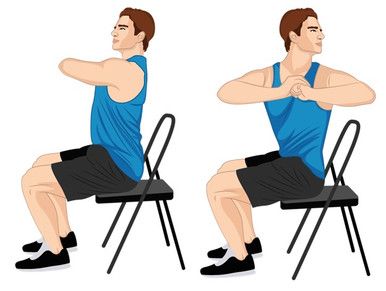
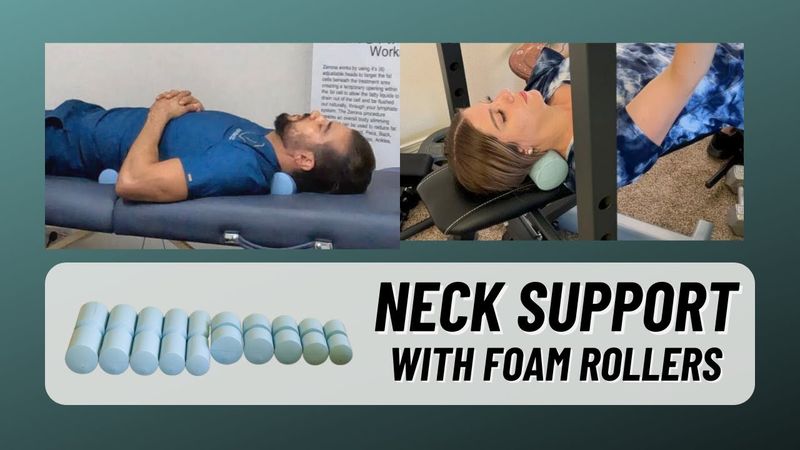
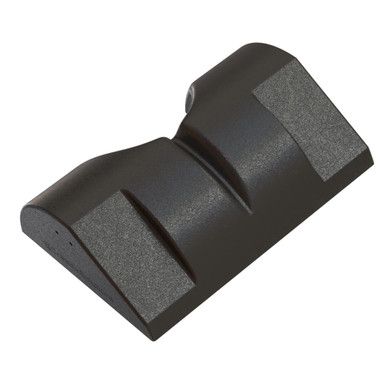
- Back Twist Followed by Shaper Rolls: prepare the joints and then relax over properly sized Neck and Back Shaper rollers for passive curve support.
Choose the right Spinal Fitness tool
Each Tool Solves a Different Part of the Posture Problem
Why strengthening alone may not work
Do Not Strengthen the Compensation
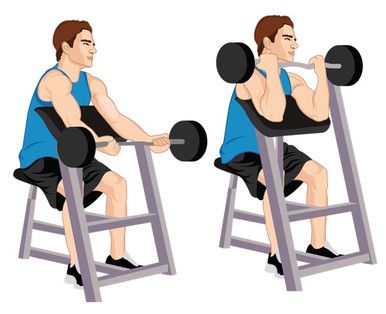
Resistance training strengthens the position used during the exercise. If a person repeatedly lifts, presses, squats, or performs abdominal work with a flattened lumbar curve or forward head, the compensation can become more persistent.
Spinal Fitness first improves the position, then strengthens the muscles that maintain it.
Why stretching alone may not work
Tight Muscles May Be Protecting an Unstable Structure
Muscles may feel tight because they are continuously stabilizing poor posture. Stretching them without correcting the underlying structure can provide temporary relief while leaving the mechanical cause unchanged.
Restoring curves can reduce the demand on those muscles so they no longer need to guard as aggressively.
The habit most people miss
Never Flatten Your Curves Under Load
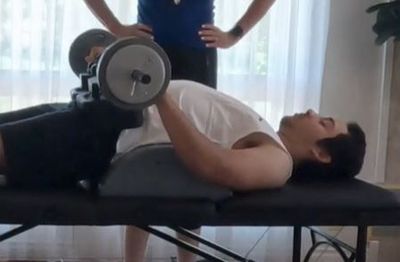
Every time your back is against a bench or surface during resistance training, you are either reinforcing your spinal curves — or flattening them. A flat bench presses your neck and lower back straight, quietly training your body to lose the very curves you are trying to restore.
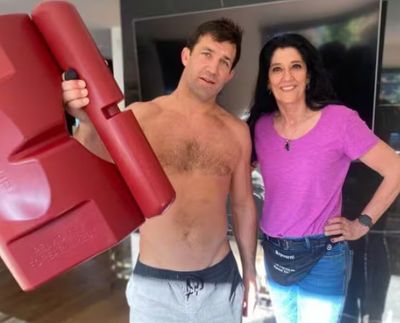
Place the Neck & Back Shaper Rolls behind your neck and lower back during pressing and leg work, and you keep your cervical and lumbar curves under load. On a bench press, supporting the natural curves keeps the rib cage, pelvis, and shoulder girdle in better alignment and maintains the lordotic curve — protecting the facet joints and discs while you train. On a leg press or hack squat, supporting the low-back curve reduces flattening and allows a fuller, safer range of motion. Every rep then reinforces good structure instead of erasing it.
Caution: a support should never create pain, numbness, tingling, dizziness, headache, or a “jammed” feeling. If symptoms increase, reduce the roll diameter or density, reduce the load, or remove the roll.
Frequently asked questions
Back Posture Correction & S-Shaped Spine FAQ
What is the ideal spinal posture?
The adult spine should maintain coordinated cervical, thoracic, and lumbar curves with the head and trunk balanced over the pelvis.
Can a flat low back affect the neck?
Yes. Changes in one spinal region often create compensation above or below it.
Can poor posture cause tight hamstrings?
Yes. Hamstrings may become postural stabilizers when the trunk shifts forward.
Why is pain relief not the same as correction?
Symptoms can decrease before the spinal curves, tissue capacity, and movement pattern have been restored.
How long does posture correction take?
It depends on how long the pattern has been present, tissue tolerance, consistency, and the ability to perform the exercises correctly.
Should everyone use the same equipment?
No. Size, density, condition, symptoms, and training level should determine the starting point.
Medical & product-use disclaimer: This information is educational and does not replace individualized medical advice. Creatrix Solutions exercise and posture products are not intended to diagnose, treat, cure, or prevent any disease or medical condition. Consult a qualified healthcare provider before beginning a new exercise routine, especially if you are pregnant or have an injury or medical condition.