Spinal Health Guides
Creatrix Solutions • Spinal Fitness
Spinal Health Guides
Plain-language guides to the posture, neck, and back problems people actually search for — what they mean, why they happen, and how to fix the structure underneath, not just the symptom. Start with the problem you already know; leave understanding the mechanics that drive it.
The one idea behind every guide
Your spine is built as a series of curves: a forward curve in the neck (cervical lordosis), a backward curve in the upper back (thoracic kyphosis), and a forward curve in the low back (lumbar lordosis). Together they form the adult S-shaped spine. Those curves are not decorative — they are mechanical. They let your body carry the weight of the head, absorb and redirect force, and hold itself upright with less effort.
When a curve flattens, the mechanics turn against you: lever arms lengthen, muscles work overtime just to hold you up, joints sit under more constant pressure, and the nervous system stays “on guard” against collapse. When the curves return, the trunk generates force with less bracing, movement gets more efficient, and the body holds itself. That is the difference between chasing relief (a stretch, a rub, a brace) and reaching resolution (changing the structure so the fix has a reason to last). Every guide here works toward resolution.
The 5-step Spinal Fitness system
Each guide points back to the same sequence — all trained from the front of the body, where the spine has the mechanical advantage to adapt safely.
1. Back Trac RollingRestore segmental motion, reduce guarding
2. Pelvic TiltRebuild the lumbar curve
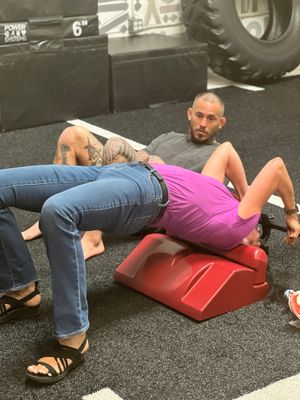
3. PowerCushion Sit-UpAnterior core that holds the curve
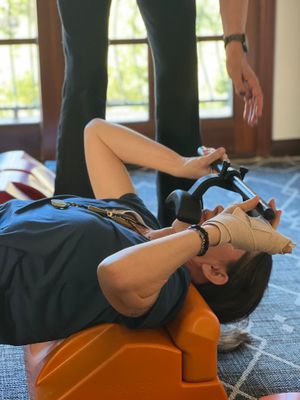
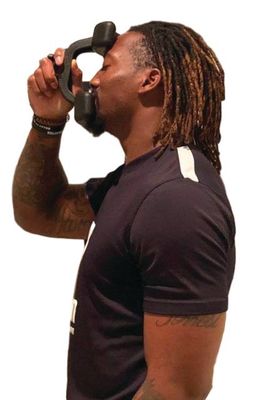
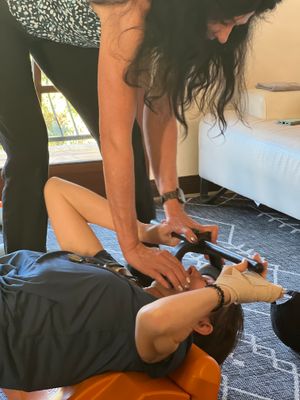
4. Neck FlexionRebuild the neck curve, reverse forward head
5. Twist + Supported RestLock in mobility, let structure set
Browse the guides
Neck & Posture
Loss of Cervical Lordosis
What a straight or “military” neck really means — and the 32/64/117 lb head-load cost.
Military Neck: Why Straight Isn’t Healthy
The upright-looking neck that quietly works against you.
How to Fix Forward Head Posture
Why the head drifts forward — and how to bring it back over your shoulders.
How to Fix Rounded Shoulders
The chain that rolls your shoulders forward starts below them.
What Is a Neutral Spine?
Neutral is your curves in balance — not a straight back.
Text Neck
What hours looking down do to your neck — and how to undo it.
Kyphosis (Rounded Upper Back)
Why the upper back rounds — and fixing it from the base up.
Lower Back
Flat Back Syndrome
When the lumbar curve disappears — and how to rebuild it.
Why Does My Lower Back Hurt?
The structural reasons stretching alone rarely fixes it.
Why Are My Hamstrings Tight?
When tightness is your body protecting an unstable pelvis.
Anterior Pelvic Tilt
Why the pelvis tips forward — and how to restore neutral.
Athletic Performance
How to Run Faster
Stop wasting force holding your body up; send it into the ground.
How to Jump Higher
The spinal-alignment problem most jump programs ignore.
Sports Performance Training
Train the force your spine transfers, not just the muscle.
Sports Injury Prevention
Build the structure that resists injury instead of compensating.
Workplace & Lifting
Workplace Injury Prevention
Why back-injury programs fail — and a structure-first approach.
Safe Lifting Techniques
Why “lift with your legs” isn’t enough on its own.
Ready to work on the structure?
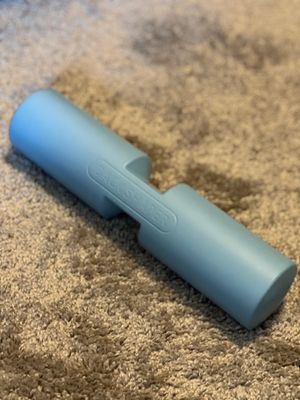
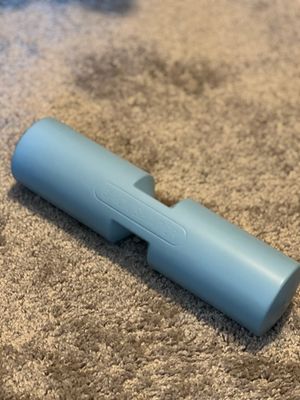
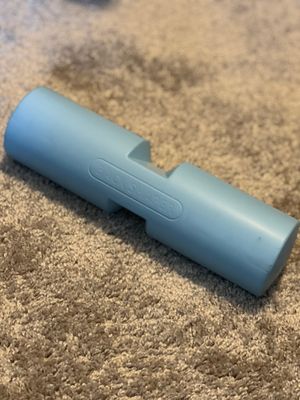
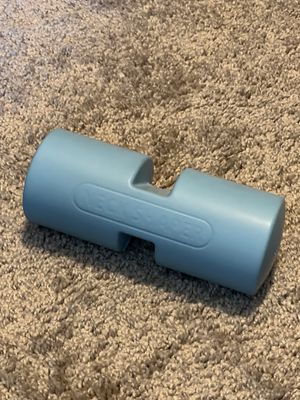
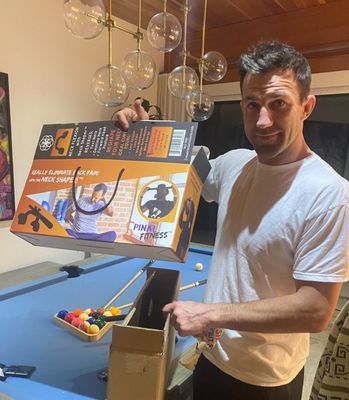
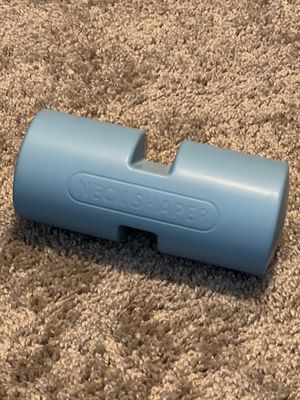
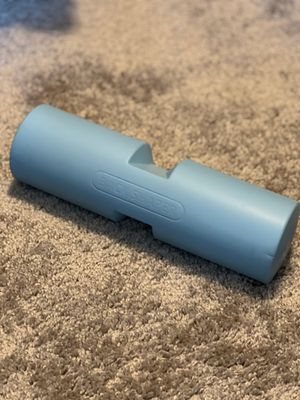
The tools behind every guide — grooved rollers, the Neck Shaper Kit, and the full 5-step system.
Explore the 5-step system → Shop grooved foam rollers →
Medical & product-use disclaimer: These guides are educational and do not replace individualized medical advice. Creatrix Solutions exercise and posture products are not intended to diagnose, treat, cure, or prevent any disease or medical condition. Consult a qualified healthcare provider before beginning a new exercise routine, especially if you have an injury or medical condition.